


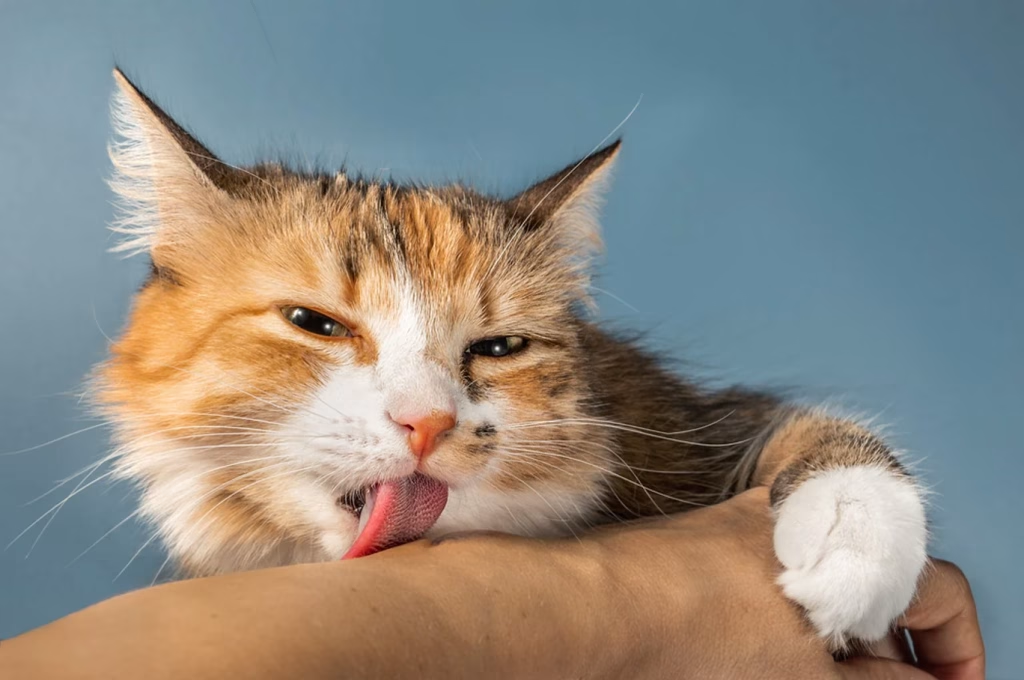


If you’ve ever been on the receiving end of a sandpaper-like lick from your cat, you may have asked yourself: What’s in cat saliva, and why do they lick so much? While feline licks may feel rough and strange, they serve an important purpose—and the science behind cat saliva is more fascinating than you might expect.
In this post, we’ll dive into the unique composition of cat saliva, its roles in feline health and hygiene, and what it means when your cat licks you. Spoiler alert: there’s more going on than just affection!
What Is Cat Saliva Made Of?
Cat saliva is more than just water. It contains a unique mixture of enzymes, proteins, and antibacterial compounds that support several essential functions.
Here’s what you’ll typically find in cat saliva:
-
Water – Makes up the majority of saliva, aiding in grooming and digestion.
-
Amylase enzymes – Help break down food particles, although cats don’t rely on them as heavily as omnivores do.
-
Antibacterial proteins (like lysozyme) – Help reduce bacterial load on wounds and skin.
-
Mucins – Lubricate the mouth and aid in grooming.
-
Electrolytes and minerals – Maintain oral health and balance.
Together, these ingredients explain why cats use their saliva not just for eating and tasting, but also for self-cleaning and even basic wound care.
Why Cats Lick Themselves (and You)
Licking is an instinctive behavior in cats, and cat saliva plays a vital role in their daily routines. Here’s what it’s used for:
1. Grooming
Cats are notorious for their grooming habits, and saliva is central to keeping their fur clean. A cat’s tongue is covered in tiny, backward-facing spines called papillae that act like a brush, spreading saliva through the fur to remove dirt, loose hair, and even parasites.
Saliva also distributes natural oils across the coat, helping it stay shiny and waterproof.
2. Wound Healing
It’s common to see a cat licking a minor wound. This behavior is driven by instinct—saliva contains enzymes and antimicrobial properties that can help keep wounds clean. However, excessive licking can irritate or worsen injuries, so it’s important for owners to monitor their cat’s healing process.
3. Social Bonding
Cats also use their saliva during mutual grooming (called allogrooming) with other cats—and sometimes humans! If your cat licks you, it may be a sign of affection, trust, or a way of marking you as “theirs.” It’s their version of a hug or a handshake.
4. Stress Relief
Some cats engage in excessive licking—of themselves, objects, or their humans—as a coping mechanism when they’re anxious or bored. This can lead to fur loss or skin irritation, so watch for signs of over-grooming and consult your vet if it becomes excessive.
Is Cat Saliva Clean or Dirty?
This is a common question—and the answer depends on context.
The Good News:
Cat saliva has mild antibacterial properties that help them clean their fur and manage minor cuts. Compared to dogs, cats have relatively fewer oral bacteria that are harmful to their own species.
The Not-So-Good News:
Despite these properties, cat saliva can carry harmful bacteria such as:
-
Pasteurella multocida – Can cause infection if a cat bites or licks an open wound.
-
Bartonella henselae – Responsible for “cat scratch disease,” which can be transmitted through licking or biting.
-
Fungal spores – In rare cases, transmitted through grooming.
So while it may be cute when your cat licks you, it’s best to avoid letting them lick open wounds or your face.
Can Cat Saliva Cause Allergies?
Yes—cat saliva is a major source of allergens. The primary allergen, Fel d 1, is a protein produced in a cat’s salivary glands (and skin). When cats groom themselves, this protein transfers to their fur and becomes airborne as it dries.
For people allergic to cats, minimizing contact with saliva-contaminated surfaces, regular cleaning, and using air purifiers can help reduce symptoms.
What Does Excessive Licking Mean?
Sometimes, licking becomes a sign of an underlying issue. Watch for:
-
Bald spots or raw skin
-
Licking the same area repeatedly
-
Lethargy or behavior changes
These may indicate:
-
Allergies
-
Parasites
-
Pain or injury
-
Stress or boredom
-
Skin infections
If you notice these signs, consult your veterinarian to rule out medical conditions and get appropriate treatment.
Should I Worry If My Cat Licks Me?
Generally, no. If your cat occasionally licks your hand or arm, it’s usually a sign of affection or social bonding. Just remember:
-
Wash your hands afterward.
-
Don’t let them lick open wounds.
-
Avoid encouraging face licking to minimize risk of bacterial transmission.
If your cat suddenly starts licking excessively or obsessively, it’s worth investigating further.
How to Support Healthy Grooming Behavior
To keep your cat’s grooming habits (and their cat saliva use) healthy and balanced:
-
Brush your cat regularly to reduce furballs and help with coat maintenance.
-
Offer stress relief through toys, window perches, or pheromone diffusers.
-
Keep them mentally stimulated to avoid boredom-driven licking.
-
Schedule regular vet checkups to catch skin or health issues early.
There’s More to Cat Saliva Than Meets the Eye
From grooming and bonding to wound care and stress relief, cat saliva is a multifunctional substance that’s vital to your feline’s health. While it may seem a little gross on the surface, understanding the science behind your cat’s licks helps you better appreciate their behavior—and gives you the tools to spot when something might be wrong.
So next time your kitty gives you a little lick, remember: it’s not just affection—it’s science at work.