


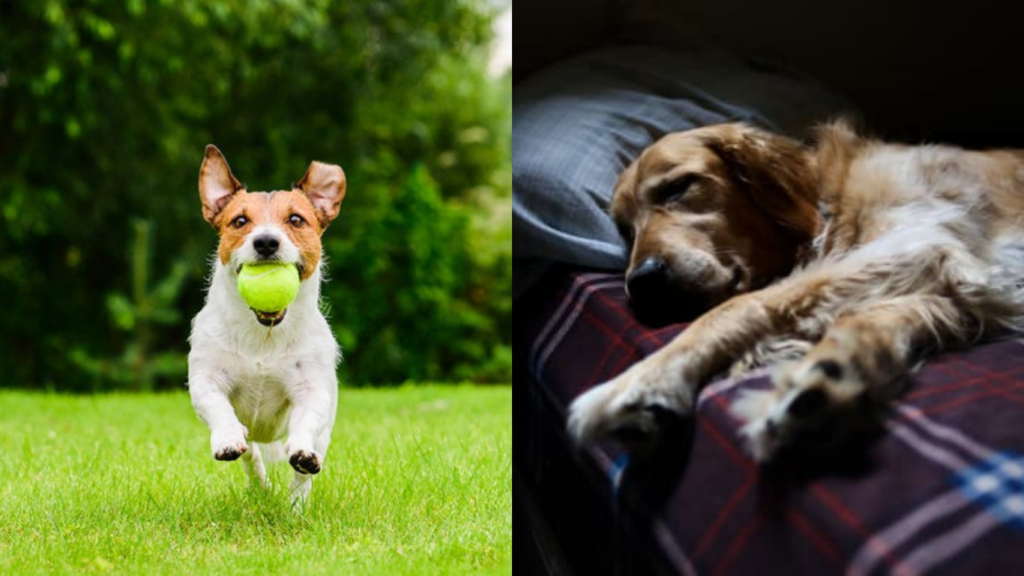


As a dog owner, you’ve likely observed that your furry friend experiences bursts of energy at certain times of the day—often in the early mornings or late afternoons. This is because dogs, much like humans, follow natural energy cycles influenced by factors such as their breed, age, health, and environment. Understanding when are dogs active can make a big difference in how you manage your dog’s daily routine. For example, knowing when are dogs active and when your pup is naturally most energetic can help you schedule walks, playtime, and training sessions more effectively, ensuring they get the right amount of physical and mental stimulation.
Dogs tend to have peak activity periods that align with their natural instincts—mornings and evenings are often prime times for exercise because their energy levels dip during midday heat or rest periods. If you wonder when are dogs active, consider factors like diet, sleep quality, and even weather, which can impact how lively your dog feels throughout the day.
By tuning into your dog’s unique rhythms and truly understanding when are dogs active, you can create a balanced schedule that promotes their overall well-being and happiness. In this post, we’ll dive deeper into understanding when are dogs active, what influences these energy spikes, and practical tips on crafting a routine that fits your dog’s natural flow. This way, you’ll both enjoy more productive, fun, and fulfilling days together.


When Are Dogs Most Active?
Dogs are naturally crepuscular animals, meaning they are most active during the early morning and late afternoon to evening hours. This behavior stems from their wild ancestors, who hunted at dawn and dusk when the environment was cooler, and prey was more active. Modern domestic dogs, while much more comfortable in our homes, still retain these natural patterns of activity.
1. Early Morning (Dawn)
For many dogs, the day starts with a burst of energy. After a good night’s rest, they are eager to get up, explore, and interact with their environment. Morning walks or play sessions are often the highlight of their day, as they feel refreshed and ready for activity. This is also a great time for mental stimulation, such as training or games, since your dog is likely to be alert and focused.
2. Late Afternoon to Evening (Dusk)
As the day winds down, dogs tend to get another burst of energy. After resting during the middle part of the day, they are ready for evening play or exercise. Many dog owners find that their pets are more active and playful during these hours, making it a perfect time for a long walk, a run, or some interactive play. This second wave of activity mimics the natural hunting behavior of wild dogs, who were often most successful during the cooler parts of the day.

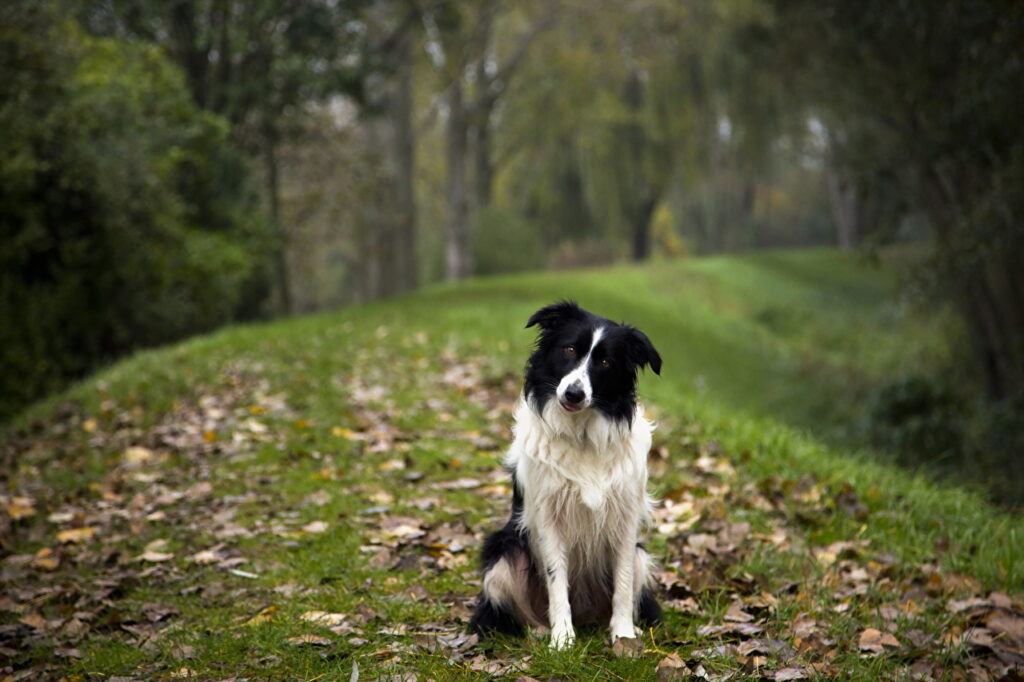
What Influences a Dog’s Activity Level?
While the general pattern of increased activity at dawn and dusk holds true for most dogs, several factors can influence how energetic they are throughout the day:
1. Breed
Some breeds are naturally more active than others. When Are Dogs Active? Working breeds like Border Collies, Australian Shepherds, and German Shepherds often have higher energy levels throughout the day and may require more exercise to burn off their excess energy. When Are Dogs Active? On the other hand, smaller or less active breeds like Bulldogs, Shih Tzus, or Basset Hounds may have lower energy needs and be content with shorter periods of activity.
2. Age
A dog’s age plays a significant role in their activity levels. Puppies are bundles of energy and may have several bursts of activity throughout the day, often following naps. Adult dogs, especially those between 1 and 7 years of age, typically follow the dawn-dusk pattern. Senior dogs, on the other hand, tend to have less energy overall and may rest more frequently, with shorter active periods.
3. Health
A dog’s health can greatly impact their energy levels. When Are Dogs Active is an important consideration because dogs that suffer from medical conditions like arthritis, obesity, or other ailments may have limited mobility and energy. Similarly, dogs recovering from illness or surgery may be less active. Conversely, dogs in peak health are more likely to stick to their natural rhythm of activity.
4. Daily Routine
Dogs are creatures of habit, and their activity levels often adapt to their daily routines. If your dog is used to going for a walk or playing at a specific time each day, they will likely anticipate that activity and become more energetic around that time.
5. Weather and Environment
External factors such as weather can influence when your dog is most active. For example, dogs may be less active during the heat of midday in warmer climates and more likely to engage in activity during the cooler morning and evening hours. Similarly, dogs in colder climates may prefer to be active during the warmer parts of the day.

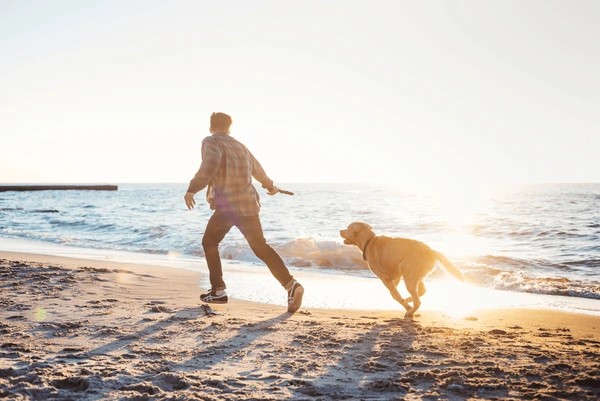
How to Match Your Dog’s Energy Cycles with Their Routine
To keep your dog happy and healthy, it’s important to align their daily routine with their natural energy cycles. Here are some tips to help you plan your dog’s day:
1. Morning Walks
Start your dog’s day with a morning walk or play session. This not only allows them to burn off their morning energy but also helps stimulate their mind and body. Morning exercise can improve their overall mood and reduce boredom throughout the day.
2. Midday Rest
Most dogs will naturally settle down for a nap or rest during the midday hours when the sun is at its peak. When Are Dogs Active is an important question to consider when planning their daily routine. Make sure your dog has a comfortable, quiet place to rest during this time. If you’re at work or away from home, leaving interactive toys or puzzles can keep them occupied without requiring much physical activity.
3. Evening Exercise
After your dog’s midday rest, they’ll likely be ready for more action in the late afternoon or evening. When are dogs active? Plan for a second walk or play session to help them release pent-up energy and unwind before bedtime. Evening activities can include fetch, tug-of-war, or even a training session to keep them engaged both physically and mentally.
4. Create a Balanced Routine
The key to keeping your dog happy is consistency. Dogs thrive on predictable routines, so try to schedule walks, meals, and playtime around the same times each day. By aligning your dog’s routine with their natural energy peaks, you’ll help them feel more satisfied and relaxed.
Conclusion: Understanding Your Dog’s Energy Patterns
Dogs are most active during the early morning and late afternoon/evening, following their natural crepuscular rhythm. While breed, age, and health can influence individual energy levels, most dogs will benefit from morning and evening exercise, paired with restful periods in between. Understanding your dog’s energy patterns can help you create a routine that keeps them healthy, happy, and well-balanced.