

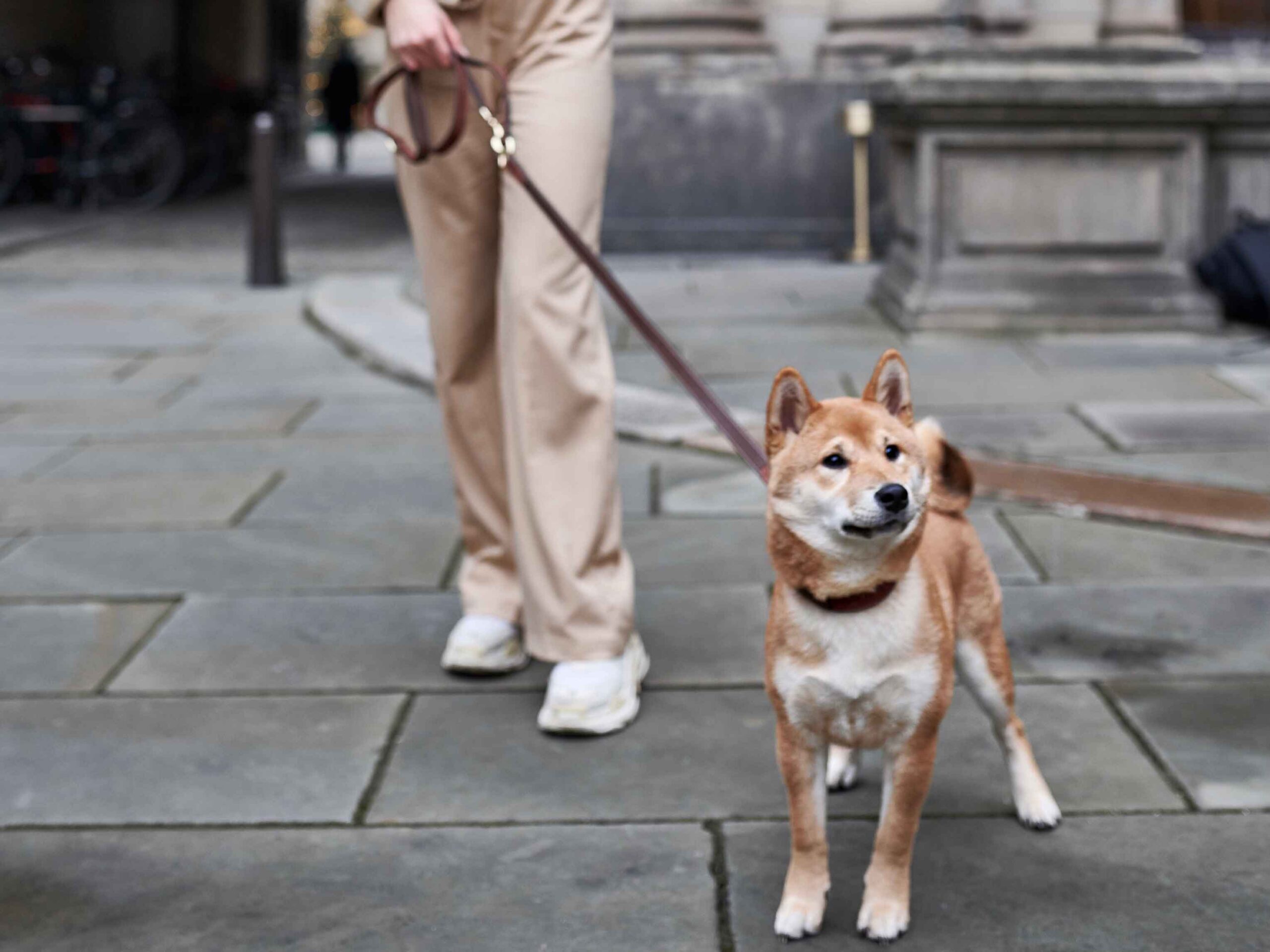


Introduction: When Your Furry Friend Puts on the Brakes
You’ve got the leash in hand, excitement in your heart, and plans for a lovely stroll with your new four-legged friend. But there’s just one problem—your puppy refuses to walk. That adorable ball of fur has suddenly transformed into an immovable object, sitting firmly on the ground or even attempting to retreat back home. If you’re experiencing this frustrating scenario, you’re not alone. Many new puppy parents face this common but perplexing behavior.
In this comprehensive guide, we’ll explore the surprising reasons behind your puppy’s reluctance to walk and provide practical, effective solutions to get your adventures back on track. Whether your puppy is afraid, uncomfortable, or simply confused, understanding the root cause is the first step toward enjoyable walks together.
The Psychology Behind Why Your Puppy Refuses to Walk
Before diving into solutions, it’s important to understand that puppies aren’t being stubborn or defiant when they refuse to walk—they’re communicating something important. Your puppy’s reluctance typically stems from one of several key psychological factors:
Fear and Anxiety: The #1 Shocking Reason
The most common and perhaps surprising reason your puppy refuses to walk is simple but profound: fear. The outside world can be overwhelming for a young puppy who has spent their early weeks in a controlled environment. From towering strangers to rumbling vehicles, your neighborhood is filled with potentially frightening stimuli.
Signs your puppy is afraid include:
- Tucked tail
- Lowered body posture
- Trembling
- Excessive panting
- Attempting to retreat or hide
Lack of Early Socialization
Puppies have a critical socialization period between 3-14 weeks of age. During this time, they need positive exposure to different environments, sounds, people, and other animals. Research from the American Veterinary Society of Animal Behavior shows that puppies with limited early socialization are more likely to develop fear-based behaviors, including refusing to walk in new environments.
Negative Associations with Walking Equipment
Sometimes the issue isn’t the walk itself but the equipment used. Your puppy may have formed negative associations with:
- The collar (if it was introduced abruptly)
- The sensation of leash pressure
- A harness that fits poorly or restricts movement
Physical Discomfort or Health Issues
While less common, it’s important not to overlook potential physical causes. According to VCA Animal Hospitals, reluctance to walk could indicate:
- Paw pad injuries or sensitivity
- Joint discomfort
- Muscle soreness
- More serious underlying health conditions
8 Common Scenarios: When & Why Puppies Refuse to Walk
Let’s explore specific situations when your puppy might put on the brakes:
1. First Walks with Leash and Collar
Many puppies freeze the first time they feel the weight of a collar and leash. This novel sensation can be confusing and restrictive to a puppy who’s used to moving freely.
2. Overwhelming Environments
Busy streets, crowded areas, or locations with loud noises can trigger sensory overload in puppies, causing them to shut down and refuse to move forward.
3. Bad Weather Conditions
Puppies can be particularly sensitive to weather extremes. Rain, snow, extreme heat, or cold can make walking uncomfortable or even frightening.
4. Negative Past Experiences
If your puppy was startled by a loud noise, approached by an intimidating dog, or experienced something unpleasant during a previous walk, they might associate walking with that negative experience.
5. Lack of Confidence
Some puppies, especially those from shelters or with limited early-life experiences, may lack the confidence to explore new territories.
6. Confusion About Expectations
Your puppy may simply not understand what you want them to do. Learning to walk on a leash is a skill that requires patient teaching.
7. Overtiredness
Puppies need a lot of sleep (up to 18-20 hours daily!). An overtired puppy may refuse to walk simply because they’re exhausted.
8. Desire to Explore More
Sometimes the issue isn’t moving forward but moving on. Your puppy might be fascinated by a particular scent or sight and resist leaving that spot.
Breed Differences in Walking Behavior
Different breeds may show varying tendencies when it comes to walking behavior. Here’s a comparative look at how breed traits can influence leash walking:
| Breed Group | Walking Tendencies | Common Challenges | Best Training Approach |
|---|---|---|---|
| Herding Breeds (Border Collie, Australian Shepherd) | Energetic, attentive | May try to herd moving objects, including people and cars | Focus training, structured walking patterns |
| Toy Breeds (Chihuahua, Pomeranian) | Can be cautious in new environments | More easily intimidated by large objects and animals | Gentle confidence building, positive reinforcement |
| Working Breeds (German Shepherd, Doberman) | Generally confident walkers | May be too interested in monitoring surroundings | Consistent leadership, engaging tasks during walks |
| Scent Hounds (Beagle, Basset Hound) | Nose-driven, may resist direction | Frequently distracted by scents | Structured sniffing opportunities, high-value rewards |
| Brachycephalic Breeds (Bulldogs, Pugs) | May tire quickly | Heat sensitivity, breathing difficulties | Short, frequent walks in cool weather |
| Terriers (Jack Russell, Scottish Terrier) | Independent, energetic | May chase small animals | Impulse control training, engaging toys |
Source: Information compiled from American Kennel Club breed standards
Step-by-Step Solutions: Getting Your Puppy Walking Confidently
Now for the part you’ve been waiting for—practical solutions to get your puppy moving confidently on leash:
1. Start with Indoor Equipment Familiarization
Before venturing outside:
- Introduce the collar or harness during positive experiences like mealtime
- Let your puppy wear it for short periods, gradually increasing duration
- Attach the leash indoors and practice walking in a familiar environment
- Reward calm acceptance with treats and praise

2. Create Positive Associations with Walking Equipment
Make leash and collar exciting by:
- Presenting the harness or collar before fun activities
- Using treats when introducing walking gear
- Never forcing equipment on a resistant puppy
- Choosing comfortable, properly fitted equipment
According to The Whole Dog Journal, properly fitted harnesses are often more comfortable for puppies than collars and can prevent potential trachea damage in small breeds.
3. Implement Gradual Exposure Training
Follow this progressive approach:
- Begin in your yard or a quiet area close to home
- Allow your puppy to explore at their own pace
- Gradually increase exposure to new stimuli
- Always watch for signs of stress and retreat if needed
- End sessions on a positive note
4. Use High-Value Rewards for Brave Behavior
Not all treats are created equal:
- Save special high-value treats (like small pieces of chicken or cheese) exclusively for walks
- Reward forward movement immediately
- Celebrate small victories like taking a few steps or approaching something new
- Use verbal praise in conjunction with treats
5. Try the “Follow Me” Game
Make walking a fun game:
- Start in a familiar area with minimal distractions
- Run a few steps away from your puppy enthusiastically
- Reward them when they follow you
- Gradually incorporate this game into regular walks
6. Address Specific Environmental Fears
For puppies afraid of specific stimuli:
- Identify triggers (cars, other dogs, loud noises)
- Create distance from the trigger
- Reward calm behavior in the presence of the trigger at a distance
- Gradually decrease distance as your puppy shows comfort
7. Consider Enrichment Before Walks
A technique recommended by certified dog trainers is to:
- Provide mental stimulation before walks (puzzle toys, training games)
- Allow for natural exploration and sniffing during walks
- Integrate short training sessions into walks
8. Ensure Physical Comfort
Rule out physical issues by:
- Checking paw pads for injuries
- Ensuring equipment fits properly without rubbing
- Walking on appropriate surfaces (avoid hot pavement in summer)
- Consulting with your vet if reluctance persists
Featured Snippet: The 3-Step Emergency Solution When Your Puppy Refuses to Walk
If you’re currently stuck on a walk with a puppy who won’t move:
- Don’t pull or drag – This creates negative associations and can increase fear
- Create distance from whatever might be frightening your puppy
- Wait patiently or try walking in another direction
- Use a high-value food lure held at your puppy’s nose level to encourage movement
- Celebrate even the smallest forward movement
When to Seek Professional Help
While most puppies can overcome walking reluctance with patient training, some situations warrant professional assistance:
- If your puppy shows extreme fear or anxiety
- If reluctance persists despite consistent training
- If you suspect a medical issue
- If your puppy’s behavior suddenly changes
Consider consulting with a certified professional dog trainer or veterinary behaviorist who uses positive reinforcement methods.
Preventing Future Walking Problems
Once your puppy is walking more confidently, maintain progress by:
- Keeping walks positive and stress-free
- Gradually exposing your puppy to new environments
- Continuing to reward good walking behavior
- Being patient with occasional setbacks

Conclusion: The Journey Forward
When your puppy refuses to walk, remember that it’s rarely about stubbornness or disobedience. Most often, it’s about fear, confusion, or discomfort. By addressing the root cause with patience and positive training, you can transform walks from a struggle into a joyful bonding experience.
With consistent application of the techniques in this guide, most puppies can overcome their reluctance and learn to love exploring the world with their favorite human. Remember that each small step forward is progress worth celebrating.
Has your puppy shown reluctance to walk? What techniques have worked best for you in overcoming this challenge? Share your experiences in the comments below! Or read more blogs about pet behavior.
Disclaimer: This article is for informational purposes only and is not a substitute for professional veterinary advice. If you’re concerned about your puppy’s behavior or health, please consult with a qualified veterinarian or certified dog trainer.