


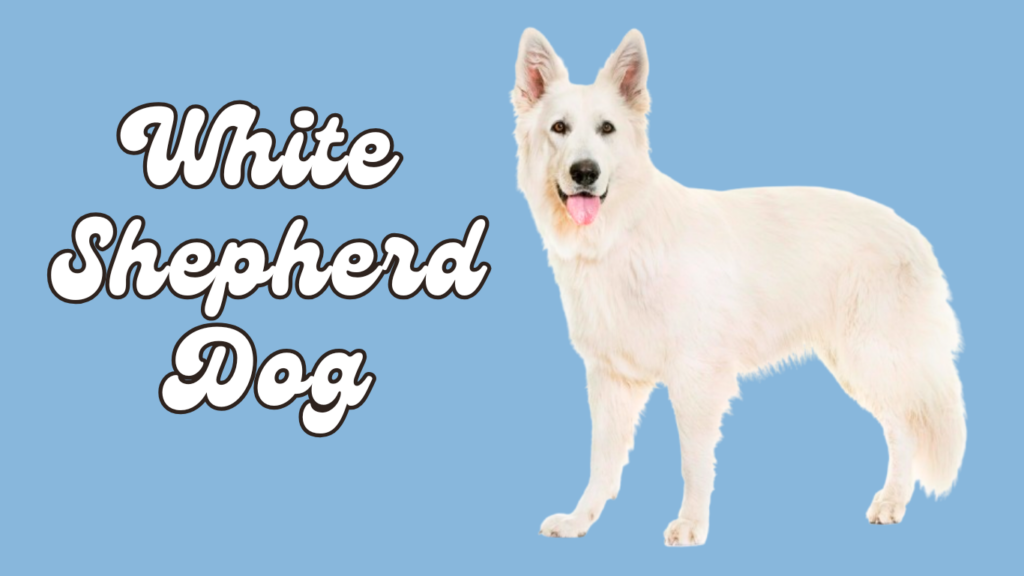


The White Shepherd Dog is a strikingly elegant breed known for its noble temperament and unmatched intelligence. With its snow-white coat, alert posture, and soulful eyes, this stunning and loyal companion isn’t just beautiful—it’s also a dependable partner, working dog, and beloved family member.
But there’s more to this breed than meets the eye. In this comprehensive guide, we’ll explore the fascinating history, physical traits, behavior, care requirements, and essential facts about the White Shepherd Dog to help you decide whether this incredible breed is right for you.
The Origin and History of the White Shepherd Dog
The White Shepherd Dog shares its roots with the famous German Shepherd breed. White-coated German Shepherds have existed since the breed’s early development in Germany during the late 19th and early 20th centuries. One of the original foundation dogs of the German Shepherd, Greif von Sparwasser, born in 1879, was white.
As the breed gained popularity, especially in police and military work, standards became stricter. By the mid-1900s, white-coated German Shepherds were excluded from show lines in Germany and many other countries. The misconception that white coats were linked to health or temperament issues led to their disqualification from major registries like the AKC (American Kennel Club) for conformation shows.
However, breed enthusiasts in the United States and Canada continued to breed and promote these magnificent white dogs. Their efforts paid off—by 1999, the United Kennel Club (UKC) officially recognized the White Shepherd Dog as a separate breed.
Today, the White Shepherd Dog stands as a symbol of grace, loyalty, and strength.


Appearance: The Beauty of White
The White Shepherd Dog is admired for its angelic appearance, but don’t let the soft white coat fool you—this is a working dog through and through.
Physical characteristics include:
-
Coat: Medium to long double coat, dense and weather-resistant
-
Color: Always solid white
-
Eyes: Almond-shaped and usually dark brown
-
Build: Strong, agile, and muscular with a straight or slightly sloping back
-
Height: Males: 24–26 inches | Females: 22–24 inches
-
Weight: Males: 75–90 lbs | Females: 60–75 lbs
Their noble stance and expressive face often give them an almost wolf-like majesty that turns heads wherever they go.
Personality & Temperament
The White Shepherd Dog is everything you’d want in a loyal companion: smart, gentle, and protective. Bred for both work and companionship, these dogs make fantastic family pets—but they thrive best in homes that understand their needs.
Core temperament traits:
-
Loyal: White Shepherds are deeply bonded to their humans and thrive on companionship.
-
Intelligent: They learn quickly and are eager to please.
-
Protective: They’re naturally alert and make excellent watchdogs.
-
Calm yet energetic: While they can be calm indoors, they do need regular exercise and engagement.
-
Affectionate: Known for being gentle with children and friendly when properly socialized.
However, without proper training and attention, they can become anxious or overly protective. They’re not the type to be left alone all day—they crave interaction and purpose.
Training Your White Shepherd
These dogs love to work and learn. Training a White Shepherd Dog is usually a rewarding experience because they’re so eager to please. That said, they respond best to positive reinforcement methods and consistent routines.
Training tips:
-
Start early: Socialization and obedience training should begin in puppyhood.
-
Use praise and treats: Harsh corrections can damage trust—reward good behavior instead.
-
Keep sessions short and engaging: These intelligent dogs love variety.
-
Enroll in dog sports: Try agility, herding, or obedience competitions to stimulate them mentally.
They’re known for excelling in service work, therapy, and search-and-rescue roles, making them some of the most versatile dogs out there.
Exercise and Activity Needs
The White Shepherd Dog is not a couch potato. As a high-energy breed, they require at least 60 to 90 minutes of daily exercise. This should include a combination of physical activity and mental stimulation.
Ideal activities:
-
Long walks or hikes
-
Fetch and tug-of-war
-
Interactive puzzle toys
-
Obedience training games
-
Dog sports like agility or rally
Without proper exercise, they may become bored and destructive, chewing, digging, or barking excessively.
Grooming and Coat Care
That glorious white coat comes with grooming responsibilities. Although they’re not high-maintenance, they do shed consistently—and heavily during spring and fall.
Grooming routine:
-
Brushing: 2–3 times a week (daily during shedding seasons)
-
Bathing: Every 6–8 weeks or when needed
-
Nail trimming: Monthly
-
Ear cleaning: Weekly to prevent infection
-
Dental care: Brush teeth 2–3 times a week
Their coat naturally repels dirt, but it’s important to keep up with brushing to manage shedding and prevent matting.
Common Health Issues and Lifespan
Like all purebred dogs, White Shepherds can be prone to specific health conditions. The best way to ensure a healthy dog is to adopt from reputable breeders who perform health screenings.
Health concerns include:
-
Hip and elbow dysplasia
-
Degenerative myelopathy
-
Allergies or sensitive skin
-
Gastric dilatation-volvulus (bloat)
Lifespan:
On average, White Shepherds live between 12 and 14 years with good care, proper diet, regular vet visits, and plenty of exercise.
Ideal Living Environment
The White Shepherd Dog adapts best to active households with space to roam. While they can adjust to apartment living, it requires a serious commitment to daily walks and stimulation.
Best suited for:
-
Active families
-
Homes with yards
-
Owners who work from home or are regularly present
-
People willing to invest time in training and bonding
They’re not ideal for homes where they’ll be left alone for long periods. These dogs thrive when they’re part of the family routine.
Pros and Cons of the White Shepherd Dog
Pros:
✔ Beautiful and unique appearance
✔ Loyal, loving, and protective
✔ Highly intelligent and trainable
✔ Excellent with kids and other pets (with early socialization)
✔ Adaptable to many roles—companion, worker, service dog
Cons:
✘ Requires regular grooming and shedding management
✘ Needs daily exercise and mental stimulation
✘ Prone to separation anxiety if left alone too long
✘ May be wary of strangers without proper socialization
Quick Facts Recap
| Breed Trait | Details |
|---|---|
| Group | Herding |
| Origin | United States / Canada (via Germany) |
| Size | Medium to large |
| Coat | Dense double coat (white only) |
| Temperament | Loyal, smart, protective |
| Life Expectancy | 12–14 years |
| Energy Level | High |
| Good with Kids | Yes (with training) |
| Shedding Level | High |
| Trainability | Excellent |
Is the White Shepherd Dog Right for You?
If you’re seeking a devoted, intelligent, and eye-catching companion with working dog roots, the White Shepherd Dog might just be the breed of your dreams.
They’re not just beautiful—they’re brave, responsive, and full of heart. With the right balance of training, love, and activity, a White Shepherd can be your perfect partner for adventures, family life, or just lounging at home with a loyal friend by your side.
Thinking of getting one? Look for ethical breeders or rescue groups that specialize in White Shepherds, and prepare for a bond that’s built to last a lifetime.