



Why Do Cats Really Dislike Water? The Science Behind Feline Hydrophobia


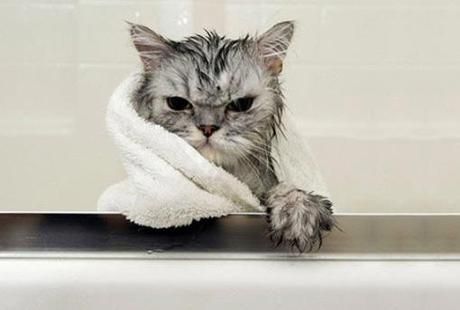
Most cat owners have witnessed the dramatic transformation that occurs when their feline friend encounters water. From the comical high-stepping dance across a damp floor to the wide-eyed look of betrayal during bath time, a cat’s aversion to water is both amusing and puzzling. But why do cats dislike water when other animals, including their big cat cousins, seem perfectly comfortable taking a dip? The answer lies in a fascinating mix of evolution, physiology, and psychology.
The Evolutionary Roots of Cats’ Water Aversion
Domestic cats trace their ancestry to the wildcat populations of the Middle East’s desert regions, where large bodies of water were scarce. This evolutionary history has shaped feline behavior around water in several important ways.
Desert Origins and Limited Water Exposure
Unlike many other domesticated animals, cats evolved in arid environments where swimming wasn’t a necessary survival skill. As descendants of desert-dwelling species, domestic cats never developed the natural affinity for water that animals from wetter habitats possess.
“Our domestic cats originated from desert cats that rarely encountered large bodies of water, so they never evolved behaviors to deal with it,” explains Dr. John Bradshaw, a cat behavior expert and author of “Cat Sense.”
According to research from the Cornell Feline Health Center, this evolutionary history plays a significant role in modern cats’ behavior patterns. Their studies on feline behavior indicate that many instinctual reactions in domestic cats can be traced directly to their desert-dwelling ancestors.
No Evolutionary Advantage
For most of feline evolutionary history, there was simply no advantage to being comfortable in water. Cats developed highly specialized hunting techniques focused on land prey, making aquatic abilities unnecessary. Their hunting style—stealthy stalking followed by a quick pounce—works best on dry land, not in water.
Physical Reasons Behind the Wet Cat Reaction

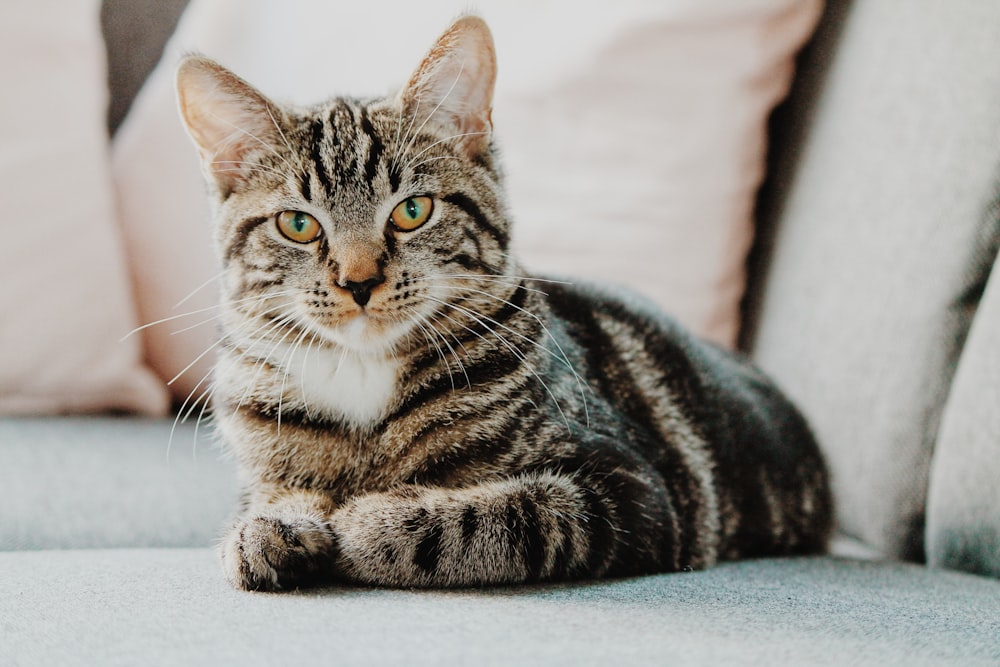
A cat’s physical makeup contributes significantly to their discomfort with water.
Coat Structure and Water Retention
The structure of a cat’s fur makes water exposure particularly uncomfortable. Unlike water-loving dogs, cats lack the dense undercoat that provides insulation when wet. When a cat’s fur becomes saturated:
- It becomes heavy, impeding movement
- It loses its insulating properties, causing temperature regulation problems
- It takes a long time to dry completely
This physical discomfort creates a negative association with water over time. The International Cat Care organization explains that cats’ meticulous grooming habits are also disrupted when their fur is wet, adding to their stress levels.
Sensitive Whiskers and Water Sensation
Cats possess incredibly sensitive whiskers (vibrissae) that detect even the slightest changes in their environment. The sensation of water on these specialized tactile hairs can be overwhelming and unpleasant for many cats, triggering an aversion response.
Temperature Regulation Challenges
Wet fur significantly compromises a cat’s ability to maintain body temperature. As cats are meticulous about maintaining optimal body temperature, the cooling effect of evaporating water from their coat can be stressful and uncomfortable.
Psychological Factors in Feline Water Aversion
Beyond physical discomfort, psychological factors play a crucial role in why cats often dislike water.
Control and Predictability
Cats thrive on control and predictability in their environment. Water—especially moving water—represents an unpredictable element that cats cannot fully control, triggering stress and avoidance behaviors.
Research published in the Journal of Feline Medicine and Surgery suggests that cats’ need for environmental control is deeply ingrained in their psychology, affecting many aspects of their behavior, including water interactions.
Early Exposure and Experiences
A cat’s early experiences with water significantly influence their lifelong attitude. Kittens with positive water experiences during their critical socialization period (2-7 weeks) are more likely to tolerate or even enjoy water as adults.
Cat Breeds and Their Relationship with Water

Not all cats share the same degree of water aversion. Certain breeds display a surprising affinity for aquatic activities, challenging the stereotype of the water-hating cat.
According to The Cat Fanciers’ Association, genetic factors play a significant role in determining how different breeds interact with water. Their breed standards and historical documentation provide valuable insights into these breed-specific behaviors.
Breeds That Typically Enjoy Water
The following table showcases cat breeds that often exhibit more positive attitudes toward water:
| Breed | Water Affinity Level | Notable Water Behaviors |
|---|---|---|
| Maine Coon | High | Often plays with water; some enjoy swimming |
| Turkish Van | Very High | Known as the “swimming cat”; naturally drawn to water |
| Bengal | High | Frequently plays with water; may join humans in shower |
| Norwegian Forest Cat | Moderate to High | Historically developed in rainy climate; water-resistant coat |
| Japanese Bobtail | Moderate | Often fascinated by water; may dip paws in water sources |
| Abyssinian | Moderate | Curious about water; may play with dripping faucets |
| Savannah | Moderate to High | Inherits water interest from serval ancestors |
The Curious Case of the “Swimming Cat”
The Turkish Van deserves special mention for its exceptional relationship with water. This ancient breed from the Lake Van region of Turkey has earned the nickname “the swimming cat” due to its unusual fondness for swimming. Turkish Vans possess a naturally water-resistant coat that repels water rather than absorbing it, making their swimming experience much more pleasant than for other cats.
Why Some Cats Are Fascinated by Running Water
Despite general water aversion, many cats display fascination with running water from faucets or fountains. This seemingly contradictory behavior has logical explanations:
- Evolutionary instinct: In the wild, running water is typically fresher and safer than stagnant water
- Sensory appeal: The movement, sound, and light reflections of running water engage cats’ hunting instincts
- Taste preference: Many cats prefer the taste of fresh, oxygenated running water
This fascination explains why many cats prefer drinking from running faucets rather than still water bowls, leading to the popularity of cat water fountains.
How to Help Your Cat During Necessary Water Encounters


While most cats prefer to avoid full immersion, certain situations—like medically necessary baths—require getting your cat wet. Here are practical strategies to reduce stress during these encounters:
Bathing Techniques That Minimize Stress
The ASPCA Pet Care resources provide excellent guidance on handling stressful situations like bathing. Their feline behavior experts recommend these approaches:
- Prepare thoroughly: Gather all supplies before bringing your cat to the bathing area
- Create a non-slip surface: Place a towel or rubber mat in the sink or tub
- Use lukewarm water: Water that’s too hot or cold will increase anxiety
- Start from the neck down: Keep your cat’s head dry if possible
- Speak calmly: Use a soothing voice throughout the process
- Reward generously: Offer treats and praise during and after the bath
When Professional Help May Be Needed
For cats with extreme water aversion, consider:
- Consulting a professional groomer experienced with fearful cats
- Discussing anxiety medication options with your veterinarian for truly stressful situations
- Using waterless shampoo alternatives when appropriate
The Exception to the Rule: When Cats Seek Out Water


Despite their general reputation, some domestic cats actively seek water experiences. This behavior may stem from:
Cooling Mechanism in Hot Weather
Like their big cat relatives, some domestic cats use water for cooling in hot weather. Dipping paws in water or lying in a damp sink helps regulate body temperature when other methods are insufficient.
Behavioral Enrichment and Play
For some cats, water interaction provides valuable environmental enrichment and mental stimulation. Water play can satisfy natural hunting and pawing instincts, particularly for indoor cats with limited access to varied stimulation. The Cornell Feline Health Center emphasizes the importance of diverse environmental enrichment for indoor cats’ mental health, which can sometimes include water play for those who enjoy it.
Understanding Your Individual Cat’s Water Preferences
Every cat is unique in their water attitude, based on a combination of genetics, early experiences, and individual temperament. Observing your cat’s specific reactions to different water scenarios helps you understand their personal boundaries.
Signs Your Cat May Be More Water-Tolerant
Look for these indicators that your cat might have a more positive attitude toward water:
- Pawing at water in bowls or sinks
- Following you into the bathroom during showers
- Showing curiosity rather than fear when encountering wet surfaces
- Playing with dripping faucets or water toys
Respecting Individual Boundaries
Even if your cat shows some water interest, always respect their comfort level. Never force a cat into water situations that cause distress, as this can create long-term phobias and damage your trust relationship.
Why Do Cats Dislike Water?
Cats typically dislike water because of their evolutionary desert origins, fur that retains water uncomfortably, and sensitive whiskers that find water stimulation overwhelming. Additionally, wet fur compromises cats’ ability to regulate body temperature efficiently, creating physical discomfort that reinforces their aversion. However, individual cats and certain breeds may show more positive attitudes toward water, particularly when introduced to it positively during kittenhood.
Conclusion: Respecting Your Cat’s Relationship With Water
The next time your cat performs their dramatic water-avoidance routine, remember that this behavior stems from a complex interplay of evolution, physical characteristics, and individual experience. While the stereotype of water-hating cats has truth for many felines, exceptions exist, and understanding your particular cat’s preferences helps you create a respectful environment.
Does your cat break the stereotype with unusual water behaviors? Have you discovered unique ways to make necessary water interactions less stressful? Share your experiences in the comments below—your insights might help other cat owners navigate the sometimes turbulent waters of feline hydrophobia.