

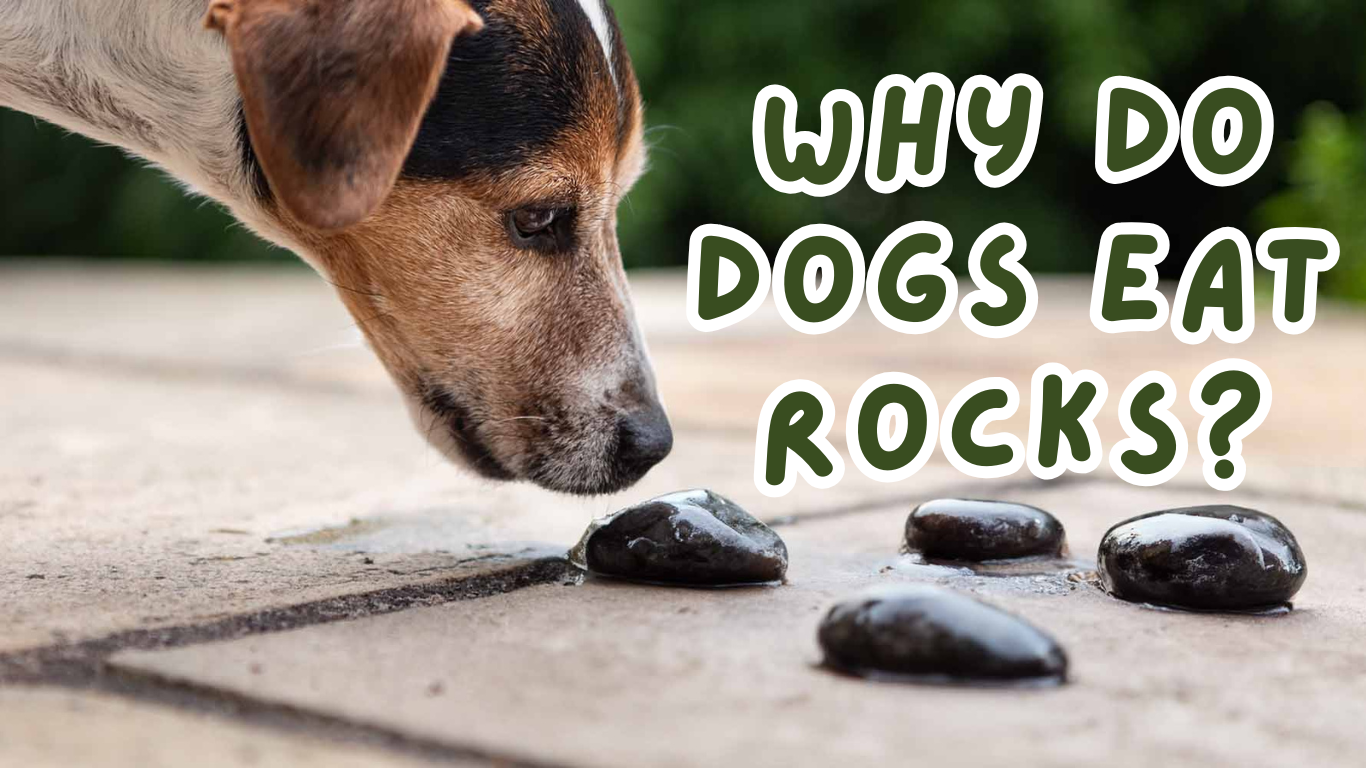

Dogs are naturally curious creatures, and sometimes their curiosity leads to baffling and concerning behaviors—like eating rocks. Why Dogs Eat Rocks is a question many pet owners ponder. This unusual habit, known as pica, can appear harmless or even playful at first, but it actually poses significant health risks. Why Dogs Eat Rocks is not always immediately clear, but swallowing rocks can lead to dental damage, gastrointestinal blockages, and even internal injuries. Understanding Why Dogs Eat Rocks is the first step toward helping them stop.
One common reason behind rock-eating is nutritional deficiency. If a dog’s diet lacks essential minerals or vitamins, they may instinctively seek out non-food items, including rocks, to compensate. Another potential cause is boredom or anxiety. Why Dogs Eat Rocks can also be linked to dogs being left alone for extended periods or lacking mental and physical stimulation, leading them to chew on or swallow rocks as a coping mechanism. Additionally, some dogs develop obsessive-compulsive behaviors, where eating non-food items becomes a repetitive, habitual act. Why Dogs Eat Rocks can sometimes be traced to such behavioral issues.
To address this issue, start by consulting your veterinarian to rule out medical causes and dietary imbalances. Enriching your dog’s environment with engaging toys, regular exercise, and interactive activities can help reduce boredom-related behaviors. Training techniques, such as redirecting your dog’s attention and rewarding positive behaviors, are also essential. By understanding the root causes and taking proactive steps, you can protect your dog’s health and well-being.
Why Dogs Eat Rocks? Common Reasons
- Nutritional Deficiencies
If your dog isn’t getting the necessary vitamins or minerals from their diet, they may try to compensate by eating non-food items, including rocks. - Boredom or Anxiety
Dogs left alone for long periods or without enough stimulation may engage in destructive behaviors like chewing rocks to pass the time or cope with stress. - Teething in Puppies
When puppies are teething, they may chew on hard objects like rocks to soothe their aching gums. - Exploration and Curiosity
Dogs explore their environment through their mouths. A rock might seem like an interesting “toy” to them. - Underlying Health Issues
Certain medical conditions, such as gastrointestinal problems or parasites, can lead to pica, prompting your dog to eat strange objects.
The Dangers of Eating Rocks
Eating rocks can lead to severe health issues, including:
- Choking: Rocks can block the airway, causing suffocation.
- Gastrointestinal Blockages: Swallowed rocks can obstruct the digestive tract, requiring surgery.
- Internal Injuries: Sharp rocks can puncture or tear internal organs.
- Dental Damage: Chewing on rocks can break teeth or injure gums, leading to infections.
How to Stop Your Dog from Eating Rocks
- Consult Your Veterinarian
If your dog frequently eats rocks, the first step is to visit the vet. They can identify any underlying medical or nutritional issues and suggest appropriate treatments or dietary adjustments. - Provide a Balanced Diet
Ensure your dog is receiving adequate nutrition. Your vet may recommend supplements or a specialized diet to address any deficiencies. - Offer Alternative Chewing Options
Provide safe and engaging chew toys to redirect your dog’s focus. For teething puppies, soft yet durable toys can help soothe their gums. - Supervise Outdoor Activities
Keep a close eye on your dog when they’re outside, especially in areas with rocks. Use a leash to prevent them from picking up harmful objects. - Increase Physical and Mental Stimulation
Boredom is a common trigger for destructive behavior. Regular walks, interactive toys, and training sessions can keep your dog entertained and satisfied. - Positive Reinforcement Training
Teach commands like “leave it” or “drop it.” Reward your dog for ignoring or releasing rocks. Over time, they’ll learn that these behaviors result in positive outcomes. - Address Anxiety
If stress or separation anxiety is the root cause, work with a professional trainer or behaviorist to develop strategies for calming your dog. - Use Deterrents
Apply pet-safe deterrent sprays to areas with rocks. These sprays have unpleasant tastes that discourage chewing.
When to Seek Emergency Help
If you suspect your dog has swallowed a rock, look for these signs:
- Vomiting or diarrhea.
- Lack of appetite.
- Difficulty breathing or choking.
- Signs of pain, such as whining or restlessness.
In such cases, contact your veterinarian immediately.
Key Takeaways
Why Dogs Eat Rocks: Rock-eating might seem like a quirky or unusual habit, but it’s more than just a harmless oddity—it can be potentially dangerous for your dog. Whether your dog’s rock-eating behavior stems from boredom, anxiety, curiosity, or an underlying medical condition, it’s essential to understand the risks and take proactive measures to ensure their safety.
One of the primary concerns with rock-eating is the risk of choking or intestinal blockage, both of which can require emergency surgery. Rocks can also cause damage to your dog’s teeth and gums, leading to pain and infection. Additionally, Why Dogs Eat Rocks may be a sign of a condition called pica, where dogs eat non-food items due to nutritional deficiencies, gastrointestinal issues, or even psychological factors.
To keep your furry friend safe, start by identifying the underlying cause of the behavior. If your dog eats rocks out of boredom or anxiety, providing more mental stimulation, exercise, and interactive toys can help redirect their focus. Why Dogs Eat Rocks can sometimes be addressed through training techniques, such as teaching the “leave it” command, which can also be beneficial. In cases where a medical condition is suspected, a visit to the veterinarian is crucial to rule out any health issues and receive tailored advice.
Why Dogs Eat Rocks may seem perplexing, but by addressing the root cause and implementing the right strategies, you can protect your dog from harm and ensure they live a happy, healthy life—free from the dangers of rock-eating. Understanding Why Dogs Eat Rocks is key to keeping your canine companion safe and sound.