


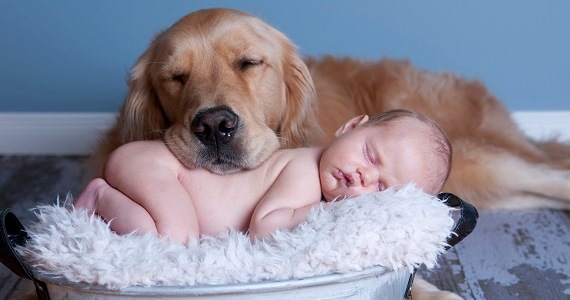


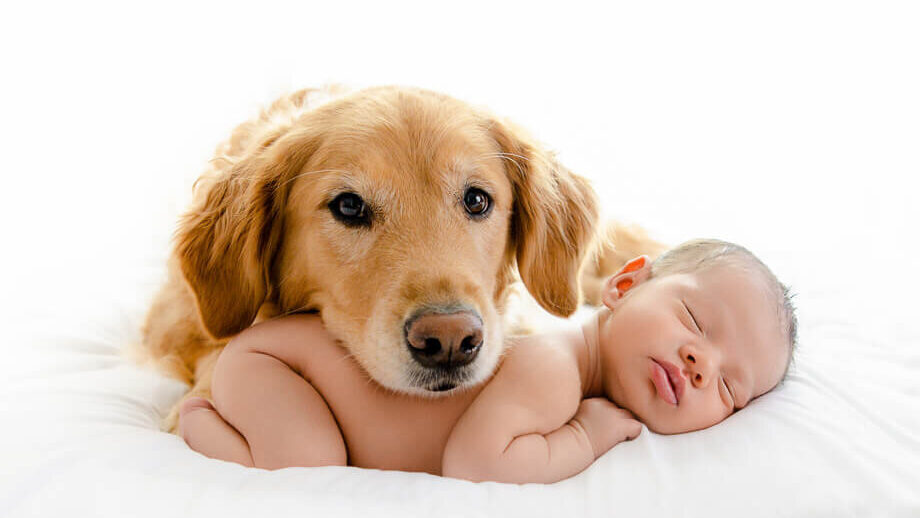
Dogs and babies share a special bond that often melts our hearts and fills us with awe. Why Dogs Love Babies is a question that captures the essence of this touching relationship. If you’ve ever witnessed a dog gently nuzzling a baby, watching over them with quiet vigilance, or patiently enduring tiny hands tugging at their fur, you’ve likely felt the warmth of this remarkable connection. But why are dogs so naturally drawn to infants? The answer lies in a combination of instinct, social behavior, and shared environment.
Why Dogs Love Babies is rooted in their nature as inherently social animals, deeply attuned to the emotions and needs of those around them. They often sense the vulnerability and innocence of babies and respond with protective, nurturing behaviors. This instinct can be traced back to their pack mentality—within a pack, the weakest members are often cared for and protected. When a baby becomes part of a dog’s human “pack,” many dogs instinctively take on a gentle, guardian-like role.
Moreover, babies emit unique sounds and scents that can be intriguing and comforting to dogs. Their coos, cries, and natural scent often trigger a dog’s curiosity and affection. Why Dogs Love Babies can also be linked to the positive reinforcement dogs receive when behaving calmly around babies, which helps solidify this connection.
Ultimately, Why Dogs Love Babies is reflected in the special bond they form, a beautiful reflection of the deep trust and love dogs have for their human families. Understanding Why Dogs Love Babies deepens our appreciation for the remarkable relationships we share with our canine companions.
PROTECTIVE INSTINCTS
One of the primary reasons dogs are so affectionate towards babies is their innate protective instinct. Many dog breeds have a natural inclination to guard and protect. Babies, with their small size and vulnerability, trigger this instinct in dogs. This protective behavior is evident in how dogs often position themselves close to the baby, keeping a watchful eye and sometimes even becoming anxious when strangers approach.
PACK MENTALITY
Dogs are pack animals by nature, and they consider their human family as their pack. In a pack, every member has a role, and the well-being of the young is crucial for the survival of the group. When a baby joins the family, dogs recognize them as a new member of the pack who needs care and protection. This pack mentality drives dogs to be gentle and attentive to babies.
CURIOSITY AND SOCIAL NATURE
Dogs are inherently curious and social creatures. The unique sounds, smells, and movements of babies can be fascinating to dogs. This curiosity often leads dogs to interact with babies, sniffing them, and gently nudging them to understand and bond with the new addition to the family. Additionally, dogs are known for their ability to read human emotions, and they often respond positively to the joy and love that parents express towards their babies.
SCENT AND FAMILIARITY
A dog’s sense of smell is incredibly powerful, and they use it to gather information about their surroundings. Babies have a distinct scent that dogs quickly become familiar with, especially when the baby is part of their household. This scent becomes a source of comfort and recognition, helping to strengthen the bond between the dog and the baby. Dogs often associate the baby’s scent with positive experiences, such as being petted or receiving treats from the parents.
POSITIVE ASSOCIATIONS
Dogs are highly perceptive and can pick up on the emotions and behaviors of their human companions. When dogs observe their owners showing love and care towards a baby, they often learn to associate the baby with positive feelings. This positive reinforcement encourages dogs to be affectionate and protective. Moreover, if dogs receive praise and treats for their gentle behavior around the baby, this further reinforces their positive actions.
GENTLE AND NON-THREATENING BEHAVIOR
Babies usually exhibit gentle and non-threatening behavior, which makes dogs feel at ease. Unlike older children or adults, babies move slowly and are less likely to engage in actions that could be perceived as aggressive or dominant. This gentle behavior allows dogs to relax and feel comfortable around the baby, fostering a sense of safety and trust.

TIPS FOR FOSTERING A SAFE AND POSITIVE RELATIONSHIP
While the bond between dogs and babies can be beautiful, it’s essential to ensure their interactions are safe and positive. Here are some tips to help foster a harmonious relationship:
- Supervise Interactions: Always supervise interactions between dogs and babies to ensure safety and prevent any accidental harm.
- Create Positive Associations: Reward your dog for gentle behavior around the baby with treats and praise to reinforce positive associations.
- Teach Basic Commands: Ensure your dog knows basic commands like “sit,” “stay,” and “leave it” to manage their behavior around the baby.
- Gradual Introduction: Introduce your dog to the baby gradually, allowing them to sniff and observe from a distance before closer interactions.
- Respect Boundaries: Pay attention to your dog’s body language and respect their boundaries. If your dog seems anxious or stressed, give them space.
Why Dogs Love Babies: A Heartwarming Conclusion
Why Dogs Love Babies is a testament to the unique and deeply rooted relationship humans share with their canine companions. From the earliest days of a baby’s life, dogs often display a remarkable sense of gentleness, protectiveness, and curiosity. This natural affinity, central to understanding Why Dogs Love Babies, stems from their strong pack instincts and their ability to sense vulnerability and innocence. When introduced properly, dogs can become loyal guardians and affectionate friends, offering comfort and companionship to young children as they grow.
Understanding the instincts and behaviors that drive this connection is essential in nurturing a safe and positive environment. Why Dogs Love Babies becomes evident as dogs thrive on routine, affection, and clear boundaries, just as babies do. With careful supervision, training, and patience, dogs can learn to coexist peacefully and lovingly with infants, forming bonds that are both heartwarming and enduring. Over time, as the child develops, this relationship blossoms into a powerful friendship built on mutual trust, respect, and affection.
This special connection between dogs and babies not only enhances emotional development and empathy in children but also reinforces the dog’s role as a cherished family member. It is through this deepening bond that we better understand Why Dogs Love Babies—a relationship that enriches the lives of both species, laying the foundation for a lifetime of companionship, loyalty, and unconditional love. Truly, Why Dogs Love Babies is more than a question; it’s a celebration of one of nature’s most endearing friendships.