

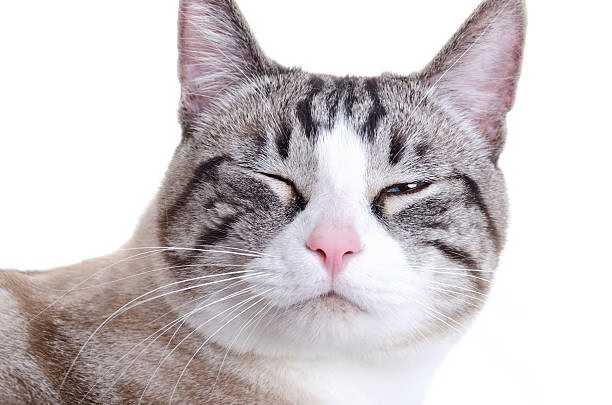


Cat squinting might seem like a harmless or even cute behavior—after all, cats often narrow their eyes when they’re content or relaxed. However, if your cat is consistently squinting one or both eyes, especially if accompanied by other symptoms, it could indicate an underlying health issue.
In this post, we’ll explore the possible reasons behind cat squinting, when to worry, and what steps you can take to keep your feline friend healthy and comfortable. Whether you’re a new cat parent or a seasoned one, understanding the signs can make a huge difference in your pet’s well-being.


What Does It Mean When a Cat Is Squinting?
Cats communicate a lot through body language and subtle facial expressions. Occasional soft blinking or brief squinting can be a sign of trust or affection. However, persistent or exaggerated squinting—especially in only one eye—may indicate irritation, pain, or an eye problem.
Normal vs. Abnormal Squinting
-
Normal: Brief eye narrowing during petting or relaxation.
-
Abnormal: Prolonged squinting, tearing, pawing at the eye, redness, swelling, or discharge.
If you’re noticing abnormal squinting, it’s time to investigate further.
Common Causes of Cat Squinting
1. Eye Injury or Trauma
One of the most common reasons for a cat squinting is a minor injury or trauma to the eye. Cats can scratch their eyes while playing, fighting, or exploring. Even something as simple as a speck of dust or a bit of fur can cause discomfort.
Symptoms to watch for:
-
Red or inflamed eye
-
Increased blinking
-
Avoidance of light
-
Pawing at the face
What to do: If you suspect an injury, keep your cat calm and avoid touching the eye. Seek veterinary care promptly to prevent infection or further damage.
2. Conjunctivitis (Pink Eye)
Conjunctivitis is an inflammation of the conjunctiva, the pink membrane surrounding the eye. It’s a very common cause of cat squinting and may result from infections, allergies, or irritants.
Symptoms:
-
Swollen eyelids
-
Watery or thick discharge
-
Redness
-
Squinting or keeping one eye closed
Treatment: Your vet may prescribe antibiotic or antiviral eye drops depending on the cause. Keeping the eyes clean and administering medications properly is key to recovery.
3. Corneal Ulcers
A corneal ulcer is an open sore on the eye’s surface, often caused by injury, infection, or dry eye. These ulcers are painful and can lead to vision loss if untreated.
Signs include:
-
Persistent squinting
-
Cloudy or bluish appearance in the eye
-
Excessive tearing
-
Sensitivity to light
Urgency level: High. A corneal ulcer requires immediate veterinary attention and may need special medications or protective collars to heal properly.
4. Uveitis
Uveitis is an inflammation of the inner structures of the eye, often caused by trauma, immune disorders, or infections such as feline leukemia or toxoplasmosis.
Symptoms:
-
Squinting and tearing
-
A cloudy or red eye
-
Change in pupil size
-
Sensitivity to light
Treatment: Your vet may run tests to determine the underlying cause. Treatment may involve anti-inflammatory drops, antibiotics, or antiviral medications.
5. Foreign Object in the Eye
If your cat suddenly starts squinting or rubbing at an eye, it might have something stuck—like a grain of sand, hair, or dust.
Clues to look for:
-
Rubbing the face against objects
-
Sudden onset of symptoms
-
One eye affected
What to do: Avoid trying to remove the object yourself unless it’s clearly visible and easily removed. Otherwise, seek vet assistance to prevent corneal damage.
6. Dry Eye (Keratoconjunctivitis Sicca)
This condition occurs when the eye doesn’t produce enough tears, leading to irritation, dryness, and squinting. Though less common in cats than in dogs, it can still occur due to immune system issues or chronic inflammation.
Signs include:
-
Dry, dull-looking eye
-
Thick discharge
-
Squinting
-
Cloudiness
Treatment: Artificial tear drops or medications that stimulate tear production may be prescribed by your vet.
7. Glaucoma
Glaucoma is a condition where pressure inside the eye increases, often due to fluid buildup. It’s a painful and serious condition that can cause blindness if left untreated.
Symptoms:
-
Squinting or keeping the eye closed
-
Cloudiness
-
Dilated pupils
-
Vision loss
Veterinary care is essential. Your vet will use special instruments to measure eye pressure and decide on the appropriate treatment, which may involve medication or surgery.
8. Upper Respiratory Infections (URIs)
Feline upper respiratory infections often come with eye symptoms, including squinting. Common culprits include viruses like feline herpesvirus or calicivirus.
Other symptoms:
-
Sneezing
-
Nasal discharge
-
Lethargy
-
Loss of appetite
Treatment: Your cat may need antiviral medications, eye drops, or supportive care like hydration and nutrition.
When to Call the Vet
Not every instance of cat squinting is an emergency, but many are signs of discomfort that should not be ignored. Contact your veterinarian if:
-
Squinting lasts more than a few hours
-
There’s discharge, swelling, or redness
-
Your cat is in pain or keeps pawing at the eye
-
Other symptoms like sneezing, coughing, or lethargy are present
At-Home Care Tips for Cat Eye Health
While professional diagnosis is key, here are some tips to help keep your cat’s eyes healthy:
-
Regular Checks: Observe your cat’s eyes during grooming or cuddle time.
-
Keep It Clean: Gently wipe away crust or discharge with a damp, clean cloth.
-
Avoid Harsh Cleaners: Don’t use human eye drops or solutions unless advised by your vet.
-
Limit Exposure: Keep your cat indoors or supervise outdoor time to reduce injury risk.
-
Hydration and Diet: A healthy immune system starts with proper nutrition and hydration.
Squinting may seem like a minor issue, but when it comes to cats, the eyes can tell you a lot about their health. Whether it’s a simple irritation or something more serious like conjunctivitis or glaucoma, being attentive to signs of cat squinting can save your furry friend from unnecessary pain—and even save their vision.
When in doubt, always consult your veterinarian. With prompt care and the right treatment, your cat can go back to bright-eyed bliss in no time.