

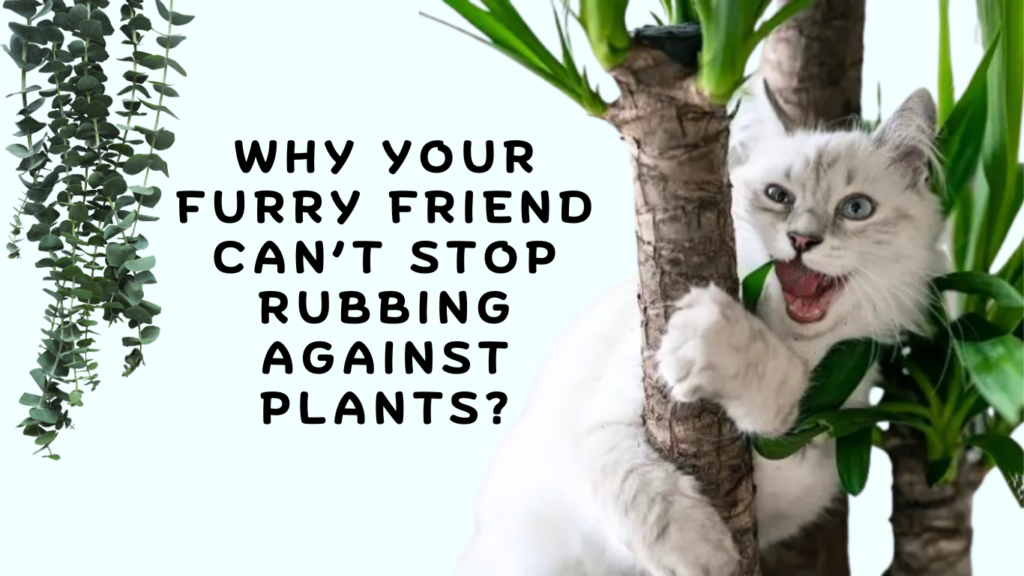


If you’ve ever caught your cat engaging in cats rubbing plants, brushing up against your houseplants, gently headbutting leaves, or even rolling near your garden pots, you’re not alone. This quirky habit leaves many pet parents puzzled—why are cats rubbing plants? Is it affection? A secret language? Or something more instinctual?
In this behavior insight article, we’ll dive deep into the feline mind and uncover the truth behind cats rubbing plants, exploring the science, instinct, and meaning behind this odd yet charming habit.
Understanding the Instinct: Why Do Cats Rub Against Objects?
To begin with, rubbing behavior in cats is incredibly natural. Cats have scent glands located on various parts of their bodies—especially their cheeks, forehead, chin, and base of the tail. When a cat rubs against an object, they are often marking their territory with these scent glands. This process is known as bunting.
So when your cat rubs up against the leg of a table, your foot, or, yes, your peace lily plant (be careful with toxic ones!), they’re not just showing love. They’re leaving behind a scent that communicates a message to other animals: This is mine.
The Fascination with Plants
But why plants? Why do cats seem to particularly enjoy rubbing against leaves, stems, and soil-filled pots?
Here are a few feline reasons:
1. Scent Attraction
Many plants carry unique smells that can either calm or stimulate your cat. Plants like catnip, silvervine, or valerian root are obvious culprits—they contain compounds that trigger a euphoric or relaxing response in cats.
Even if your plant isn’t one of these cat magnets, it might still carry a scent or texture your cat enjoys. Some cats are simply attracted to the smell of fresh soil, chlorophyll, or the natural oils present in leaves.
2. Texture Stimulation
Plants provide a soft, natural surface that’s perfect for cheek-rubbing. The flexibility of leaves and stems might feel pleasant on their face or whiskers. It’s the same reason they like rubbing on soft furniture or blankets.
3. Claiming Territory
Your indoor jungle might just be part of their turf! By rubbing up against your houseplants, your cat could be marking their environment and ensuring their scent is present in every corner of their domain—even the leafy ones.
4. Curiosity and Play
Some cats are naturally curious and see plants as interactive objects. Rubbing may be part of a play behavior or a form of exploring this odd leafy creature you’ve brought into the house.
5. Stress Relief
Similar to how humans might garden or walk in a park to relax, some cats may find rubbing against plants calming. The soft rustle, fresh scent, and solitary corner of the plant zone might become a relaxing ritual—especially for indoor-only cats.
Is It Safe for Cats to Rub Against Plants?
Cats rubbing plants isn’t always safe, especially if you own species that are toxic to felines. While the rubbing itself may seem harmless, ingestion can happen accidentally when your cat chews on leaves or grooms afterward.
Common toxic plants include:
-
Lilies (extremely toxic!)
-
Pothos
-
Dieffenbachia
-
Aloe Vera
-
Sago Palm
-
Philodendron
-
Amaryllis (also dangerous during the holidays)
What You Can Do:
-
Replace dangerous plants with cat-safe alternatives like spider plants, areca palms, or cat grass.
-
Position toxic plants out of reach or use hanging pots.
-
Use pet deterrent sprays to make plants less attractive.
-
Create a designated cat-friendly plant corner with safe varieties like catnip, cat thyme, or wheatgrass.
Tips to Manage or Encourage This Behavior Safely
If your cat seems obsessed with plants, here’s how to manage it in a healthy and enriching way:
✅ Encourage Safe Rubbing Zones
Set up a space with soft plants like cat grass or artificial plants that are safe for rubbing. You can even incorporate scratching posts with faux foliage for enrichment.
✅ Redirect with Toys or Cat Furniture
If your cat is showing a little too much love to your fern, provide alternatives like scratching trees, interactive toys, or puzzle feeders to redirect their energy.
✅ Use Positive Reinforcement
Reward your cat when they play or interact with safe plants or areas. Treats, cuddles, or play sessions can positively reinforce the behavior you want to encourage.
✅ Offer Sensory Enrichment
Rubbing is a sensory behavior—so provide plenty of sensory activities! Rotating toys, introducing new textures, and offering window views of the outdoors can reduce their interest in your indoor plants.
When to Be Concerned
Rubbing against plants is generally normal behavior, but if your cat starts chewing excessively, vomiting, or showing other signs of distress, consult your veterinarian immediately. This could indicate plant toxicity or underlying medical issues.
Also, sudden or obsessive rubbing could be a sign of skin irritation, allergies, or stress. A quick vet check can rule out medical causes and ensure your cat’s wellbeing.
Embrace the Quirks—Safely
So, the next time you catch your cat pressing their cheek lovingly into a leafy stem or giving your favorite fern a head bump, know this: your cat is expressing ownership, comfort, and maybe even affection. Cats rubbing plants is a fascinating behavior rooted in instinct and sensory satisfaction.
Just make sure the plants they’re rubbing are safe and that they’re not ingesting anything harmful. With a little precaution and plenty of enrichment, your leafy green friends and your feline companion can live in harmony—just the way nature intended.
Key Takeaway:
Cats rubbing plants is perfectly natural behavior tied to scent-marking, comfort, and sensory enrichment. Just be mindful of toxic plants and create a safe environment where your cat can explore their leafy interests without risk.
Want to make your home both cat- and plant-friendly? Start with a pet-safe plant swap and give your feline a new favorite corner to rub—and love!