

Arthritis is one of the most common health challenges faced by aging dogs, but it can also affect younger pups due to injury, joint abnormalities, or certain diseases. Watching your furry friend slow down, limp, or struggle to get up can be heartbreaking. While veterinary treatment, medication, and lifestyle changes are essential, one surprisingly effective and soothing tool in your arsenal is dog arthritis massage.
Dog arthritis massage isn’t just a pampering luxury — it can provide real, science-backed benefits for arthritic dogs. By improving blood circulation, reducing stiffness, and enhancing joint mobility, massage can help manage pain and improve your dog’s quality of life. This guide will walk you through everything you need to know, from understanding arthritis in dogs to learning effective dog arthritis massage techniques you can safely do at home.
Understanding Arthritis in Dogs
Arthritis, or osteoarthritis, is a degenerative joint condition where the cartilage cushioning the bones wears down over time. Without this cushioning, bones rub together, causing pain, inflammation, and reduced mobility.
Common causes of arthritis in dogs include:
-
Aging: Wear and tear over the years.
-
Joint injuries: Sprains, fractures, or ligament tears.
-
Genetic predisposition: Certain breeds, like Labrador Retrievers, German Shepherds, and Golden Retrievers, are more prone.
-
Obesity: Excess weight puts more pressure on joints.
-
Joint disorders: Hip dysplasia, elbow dysplasia, or patellar luxation.
Signs your dog may have arthritis:
-
Limping or favoring one leg.
-
Difficulty standing up or lying down.
-
Reluctance to run, jump, or climb stairs.
-
Swelling in joints.
-
Irritability or behavioral changes due to pain.
Why Massage Helps Dogs with Arthritis
Massage therapy works in multiple ways to ease your dog’s discomfort:
-
Increases circulation: Better blood flow delivers oxygen and nutrients to tissues while helping remove waste products.
-
Reduces muscle tension: Arthritis often causes surrounding muscles to tighten; massage helps them relax.
-
Improves joint flexibility: Gentle movement of soft tissue can help maintain range of motion.
-
Stimulates endorphin release: These “feel-good” chemicals act as natural painkillers.
-
Enhances bonding: The gentle, hands-on contact strengthens trust and comfort between you and your dog.
While massage can be incredibly beneficial, it should never replace veterinary care. Think of it as a complementary therapy alongside medications, supplements, and proper exercise.
Safety First: Precautions Before Massaging
Before starting any dog arthritis massage routine, keep these safety tips in mind:
-
Get a vet’s approval: Especially if your dog has severe arthritis, injuries, or other health conditions.
-
Avoid direct pressure on joints: Focus on surrounding muscles instead.
-
Stop if your dog shows pain: Whining, pulling away, or stiffening are signs to pause.
-
Keep sessions short: 5–15 minutes is plenty, especially for beginners.
-
Warm up the muscles: A short walk or a warm compress can prepare tissues for massage.
Preparing for a Massage Session
A calm, comfortable environment is key.
-
Choose a quiet space: Free from distractions, noise, and interruptions.
-
Use a soft surface: A dog bed, yoga mat, or folded blanket works well.
-
Relax your dog: Speak softly, pet gently, and move slowly.
-
Wash your hands: Clean hands prevent irritation and spread of bacteria.
You can also play calming music or diffuse pet-safe essential oils like lavender (check with your vet before use).
Step-by-Step Guide to Dog Arthritis Massage
Here’s a safe, effective massage sequence for arthritic dogs:
1. Effleurage (Gentle Stroking)
-
Purpose: Warm up muscles, relax your dog, and improve circulation.
-
How to do it: Place your hands flat and stroke from your dog’s neck down to the tail using light, even pressure. Repeat several times.
2. Circular Friction
-
Purpose: Loosen tight muscles around affected joints.
-
How to do it: Using your fingertips, make small, gentle circles on the muscles near the arthritic area (not directly on the joint).
3. Petrissage (Kneading)
-
Purpose: Stimulate deeper muscles and increase blood flow.
-
How to do it: Gently squeeze and lift the muscle between your thumb and fingers, then release. Work slowly, avoiding sensitive spots.
4. Passive Range of Motion
-
Purpose: Maintain joint flexibility without strain.
-
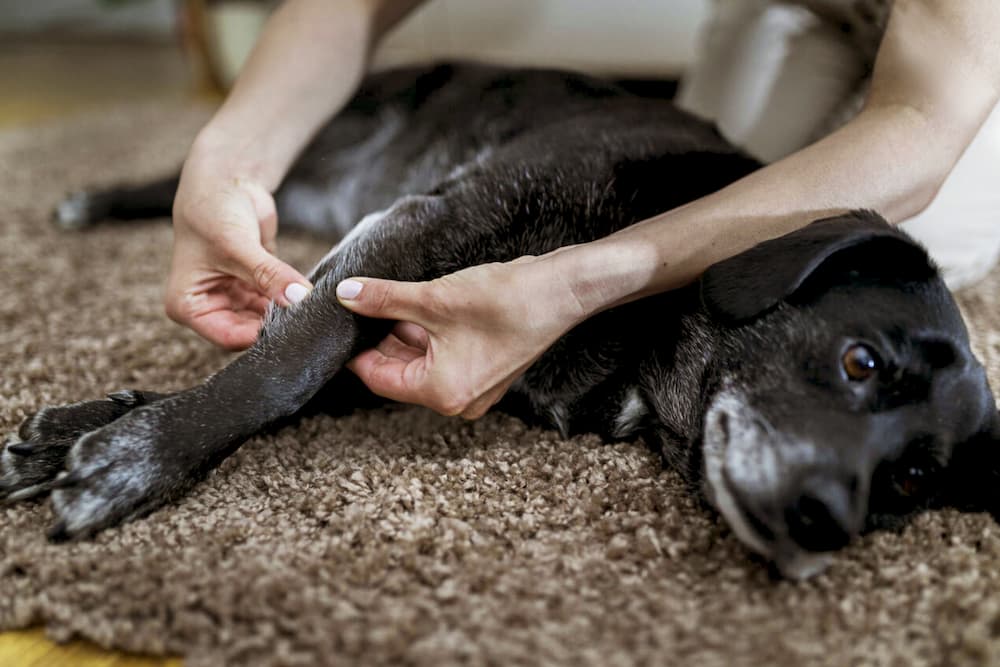
How to do it: If your vet approves, gently bend and straighten your dog’s leg within their comfort range. Move slowly and stop if resistance is felt.
5. Final Effleurage
-
End the massage with slow, soothing strokes to relax your dog.
Extra Comfort Tips During Massage
-
Warm towels or heating pads: Applying warmth before massage can relax muscles and ease stiffness.
-
Massage after light activity: Muscles are easier to work with when slightly warm.
-
Incorporate calming cues: A consistent phrase like “relax” can help your dog associate massage with comfort.
How Often to Massage a Dog with Arthritis
-
Mild arthritis: 2–3 times per week.
-
Moderate to severe arthritis: Daily short sessions may help, but always monitor your dog’s comfort.
Every dog responds differently — some may show immediate improvement, while others benefit gradually over weeks.
Other Therapies to Combine with Massage
While dog arthritis massage is powerful, combining it with other treatments can boost results:
-
Hydrotherapy: Swimming or underwater treadmill work reduces joint stress.
-
Weight management: Keeping your dog lean minimizes joint strain.
-
Joint supplements: Glucosamine, chondroitin, and omega-3 fatty acids can support cartilage health.
-
Acupuncture: May reduce pain and inflammation.
-
Physical therapy: Professionally guided exercises improve strength and mobility.
When Not to Massage
Massage is not always appropriate. Avoid massaging if your dog has:
-
Open wounds or skin infections.
-
Fever or illness.
-
Fractures or severe injuries.
-
Unexplained swelling or lumps (consult a vet first).
The Emotional Benefits of Massage
Beyond the physical relief, massage strengthens your bond with your dog. Arthritic dogs may feel frustrated or withdrawn due to limited mobility, but your gentle touch can reassure them, boost their mood, and give them a sense of security.
For senior dogs, this connection is especially important. The trust built during massage can make vet visits, grooming, and other care routines less stressful.
Final Thoughts
Dog arthritis massage is a gentle, effective way to help your canine companion manage the discomfort of joint disease. While it’s not a cure, regular massage — combined with veterinary care, a balanced diet, and appropriate exercise — can greatly improve your dog’s mobility and happiness.
Always work within your dog’s comfort zone, keep the experience positive, and listen to their feedback. With patience and love, you can make massage a therapeutic ritual that not only eases pain but also deepens the bond you share.