
Dogs are known for their loyalty, companionship, and deep affection toward humans. However, not all dogs start off trusting people. Just like humans, dogs have unique personalities and past experiences that shape their behavior. Some dogs may have had negative interactions with people—such as abuse, neglect, or a lack of proper socialization—leading to fear or hesitation around humans. Dog trust issues often stem from these experiences and can deeply affect how a dog interacts with people. It’s important to remember that a dog’s mistrust is not a sign of bad behavior, but a protective instinct developed through experience or uncertainty.
Recognizing the signs of dog trust issues can help you better understand a dog’s emotional state and begin to earn their trust. Common indicators include avoiding eye contact, cowering, growling, excessive barking, hiding, or refusing to approach. Some dogs may freeze or become stiff when touched or when someone enters their space, while others might flinch at sudden movements or loud noises. These behaviors are their way of expressing discomfort or fear.
By observing and respecting these signs, you can begin to build a stronger bond with a wary dog. Dog trust issues require a thoughtful and compassionate approach, with time, patience, and consistent positive experiences. Earning a dog’s trust doesn’t happen overnight, but your effort will be worth it. In this post, we’ll explore the common signs of dog trust issues and offer tips to help build a secure and trusting relationship.
1. Avoidance Behavior
One of the clearest signs that a dog doesn’t trust people is avoidance. If a dog consistently distances itself from humans, whether by hiding, retreating, or simply turning away, it may indicate discomfort or lack of trust. Dogs that feel threatened or unsure of their surroundings often choose to isolate themselves rather than engage.
2. Cowering or Lowered Body Posture
When a dog feels scared or insecure, it may display a lowered body posture, cowering, or tucking its tail between its legs. This behavior signals that the dog feels vulnerable and is trying to make itself smaller in the presence of perceived threats. If you notice a dog exhibiting these signs, it’s essential to give them space and approach them calmly.
3. Lip Licking or Yawning
Lip licking and yawning can indicate stress or anxiety in dogs. If a dog frequently licks its lips or yawns when interacting with people, it may be feeling uncomfortable or unsure. These behaviors can be subtle signs that the dog doesn’t trust the situation or the individuals around them.
4. Growling or Barking
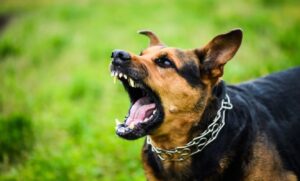
Growling and barking can serve as warning signs for a dog that feels threatened or unsafe. If a dog growls when someone approaches or barks excessively, it may be trying to communicate its discomfort. Understanding the context of these vocalizations is crucial; they often indicate that the dog is not comfortable with the situation or the person.
5. Freezing or Stiff Body Language
A dog that suddenly freezes or exhibits stiff body language may be experiencing fear or anxiety. This behavior can manifest as standing rigidly, keeping the tail low, or showing minimal movement. When a dog feels cornered or threatened, it might freeze in an attempt to assess the situation before deciding how to react.
6. Lack of Eye Contact
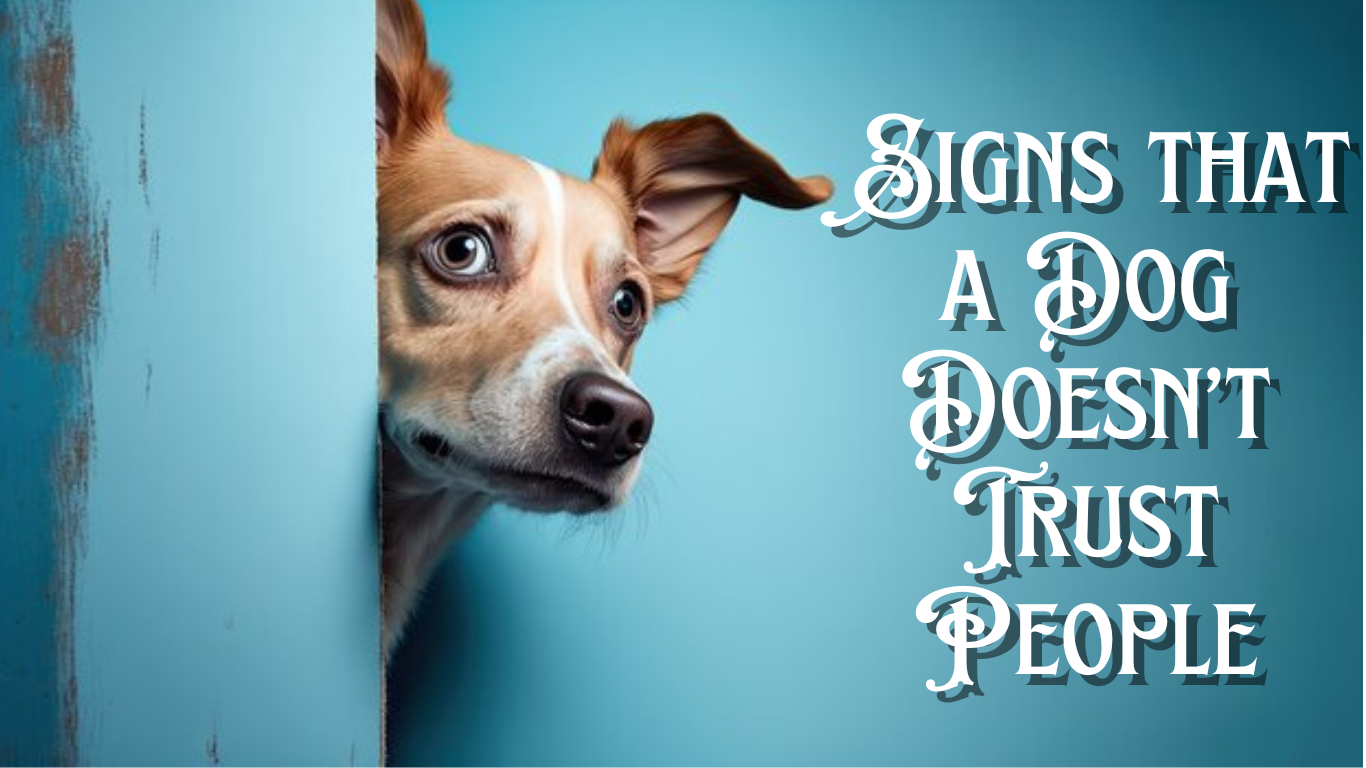
While some dogs thrive on eye contact, others may avoid it altogether, especially if they don’t trust the person they’re interacting with. A dog that consistently looks away or avoids direct eye contact may be feeling insecure or wary. This behavior indicates a desire to avoid confrontation or an inability to fully relax around people.
7. Defensive Behavior
If a dog displays defensive behavior, such as snapping or nipping when approached, it’s a strong sign of distrust. Defensive actions often stem from fear and anxiety, signaling that the dog feels threatened by the person’s presence. It’s crucial to respect the dog’s boundaries and allow it to feel safe before attempting further interaction.
8. Reluctance to Accept Treats or Affection
A dog that is hesitant to accept treats or avoid physical affection may not trust people. If a dog turns its head away from offered treats or backs away when someone tries to pet it, these behaviors suggest a lack of confidence and trust in humans. Building trust may require patience and gradual exposure to positive experiences.
Conclusion: Understanding and Addressing Dog Trust Issues
Understanding the signs that a dog doesn’t trust people is essential for fostering a strong and healthy relationship with them. Dog trust issues often stem from negative past experiences—neglect, abuse, or lack of proper socialization can all lead to deep-rooted fears and anxieties around humans. These issues can manifest in various ways, such as avoiding eye contact, cowering, growling, barking, or even attempting to flee. Recognizing these behaviors early on allows you to adjust your approach, ensuring the dog feels safe and respected in your presence. Addressing dog trust issues with empathy and care is the first step in helping a fearful dog heal.
Building trust with a fearful or wary dog requires a great deal of patience, consistency, and compassion. Forcing interaction or ignoring warning signs can worsen dog trust issues and increase the dog’s stress. Instead, allow the dog to come to you on its own terms. Use gentle movements, speak in a calm and soothing voice, and always reward positive behavior with treats or praise.
Creating a safe, predictable environment helps dogs gradually lower their guard and form positive associations with people. Dog trust issues may take time to resolve, but the effort is worth it. Remember, every dog is unique—what works for one may not work for another. By honoring their individual needs and giving them time, you lay the foundation for a trusting and lasting bond.