
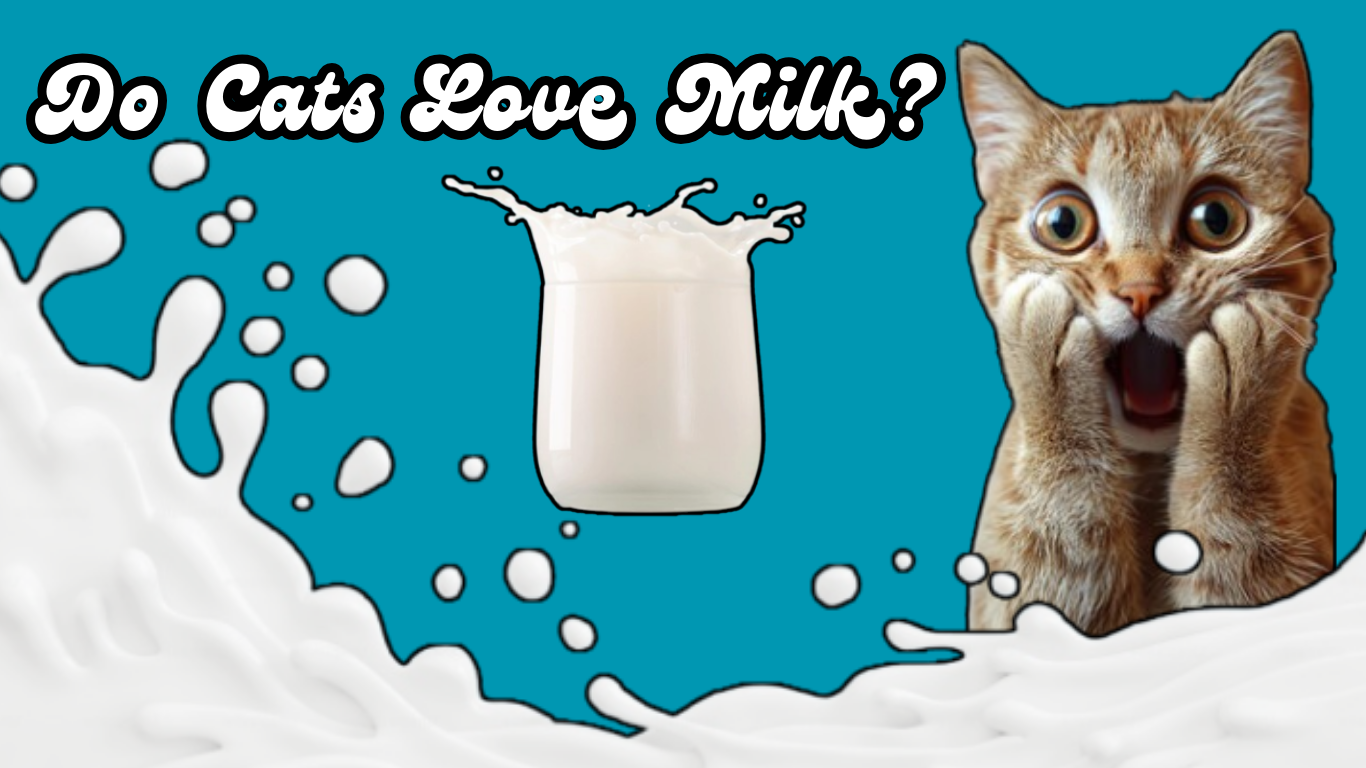

The classic image of a cat lapping up a bowl of milk is one that most of us have grown up seeing in storybooks, cartoons, and advertisements. It’s a charming and heartwarming picture that has stood the test of time, often symbolizing comfort and contentment. Because of this, many people naturally assume the answer to the question do cats love milk is a simple yes—that milk is not only safe but also a favorite treat for cats. This long-standing belief, however, is more myth than reality, stemming from tradition and cultural depictions rather than actual nutritional science. In fact, if you’ve ever wondered do cats love milk in real life, the truth might surprise you.
In truth, most adult cats are lactose intolerant, meaning their digestive systems cannot properly break down lactose, the natural sugar found in milk. While kittens are able to digest their mother’s milk thanks to an enzyme called lactase, this ability significantly decreases as they grow older. As a result, giving a grown cat cow’s milk often leads to digestive issues such as stomach cramps, bloating, or diarrhea. Despite this, the question do cats love milk remains common because the nostalgic image of cats enjoying milk has been passed down for generations. The persistence of this idea often makes owners assume milk is a treat, but in reality, cats are better off without it.
Understanding this distinction is important for cat owners who want to keep their pets healthy. While the image may be iconic, asking do cats love milk should prompt a closer look at feline nutrition. The final answer to do cats love milk is more complex than a simple yes or no—cats may appear interested, but their bodies tell a different story. Real cats thrive best on proper feline diets rather than outdated myths.
The Myth of Cats and Milk
For generations, the belief that cats crave milk has persisted, leading many to assume it is both safe and beneficial for felines. In truth, this misconception fails to recognize the unique dietary needs of cats and the realities of their digestive systems. As obligate carnivores, cats primarily thrive on a meat-based diet rich in protein and fat, not dairy or carbohydrates.
While kittens can digest their mother’s milk, they gradually lose the ability to process lactose as they transition to solid food. This natural weaning process is essential for their development and shapes their adult dietary requirements.
Key Takeaways
- Many cats are lactose intolerant and cannot properly digest cow’s milk.
- Cats have specific nutritional needs best met through high-quality cat food.
- Lactose intolerance can cause digestive issues, including diarrhea and vomiting.
- Cow’s milk is high in fat and can contribute to obesity.
- There are safe alternatives to cow’s milk, such as lactose-free options.
- Symptoms of lactose intolerance in cats include gastrointestinal distress after consuming dairy.
- Consult a veterinarian before introducing any milk substitutes into your cat’s diet.
Understanding Feline Nutrition
To provide a balanced diet for your cat, it’s crucial to understand their nutritional needs. Cats require a protein-rich diet to maintain health, support muscle development, and supply energy. Unlike humans, they cannot produce certain essential amino acids, like taurine, and must obtain these from their food.
Fats are also important, providing energy and aiding in the absorption of fat-soluble vitamins. Hydration is often overlooked but is vital; many cats do not drink enough water if they eat only dry kibble, which can lead to urinary tract issues and kidney problems. Providing both wet and dry food or encouraging water intake can help keep your cat healthy.
The Truth About Lactose Intolerance in Cats
Lactose intolerance affects many mammals, including cats. While kittens can digest lactose, most adult cats produce less lactase, the enzyme needed to break down lactose. When adult cats consume dairy, undigested lactose can ferment in their intestines, causing gastrointestinal distress.
Although some cats may tolerate small amounts of dairy, it’s not a suitable treat for all. Understanding the prevalence of lactose intolerance is key to making dietary choices that support your cat’s health.
The Dangers of Feeding Cats Cow’s Milk
Feeding cow’s milk to cats can pose several health risks beyond digestive upset. The high fat content can contribute to obesity, which is linked to numerous health issues, including diabetes and joint problems. Additionally, cow’s milk lacks the essential nutrients found in high-quality cat foods, leading to potential nutritional imbalances.
Alternatives to Cow’s Milk for Cats
Fortunately, there are safe alternatives to cow’s milk that can satisfy your cat’s craving for a creamy treat without the risks associated with lactose intolerance. Lactose-free milk designed for cats is one option, offering a similar taste without the digestive issues. Plain yogurt or cheese in moderation may also be better tolerated than cow’s milk.
Additionally, there are commercially available treats that mimic the flavor and texture of milk without containing dairy, providing a safe indulgence for your feline friend.
Recognizing Signs of Lactose Intolerance in Cats
It’s essential to recognize signs of lactose intolerance in cats, such as diarrhea, vomiting, or abdominal discomfort after consuming dairy. If you observe these symptoms, it may be best to eliminate dairy products from their diet altogether.
Safely Treating Your Cat to a Milk Substitute
When introducing a milk substitute, moderation is key. Start with small amounts and monitor your cat’s reaction. Many pet owners often wonder, do cats love milk, but offering substitutes in controlled portions is a healthier choice. Incorporating milk substitutes into interactive feeding sessions or puzzle toys can make mealtime more engaging while preventing overconsumption.
The Importance of Consulting a veterinarian
Consulting a veterinarian is vital for any cat owner seeking guidance on dietary needs. A veterinarian can provide tailored recommendations based on your cat’s individual health profile and help identify any dietary-related issues. Questions like Do Cats Love Milk often arise, and regular check-ups and open communication about your cat’s nutrition can ensure their well-being and longevity.
Understanding these aspects of feline nutrition can help cat owners make informed decisions, ensuring their furry companions enjoy a long and healthy life, free from the myths of milk.