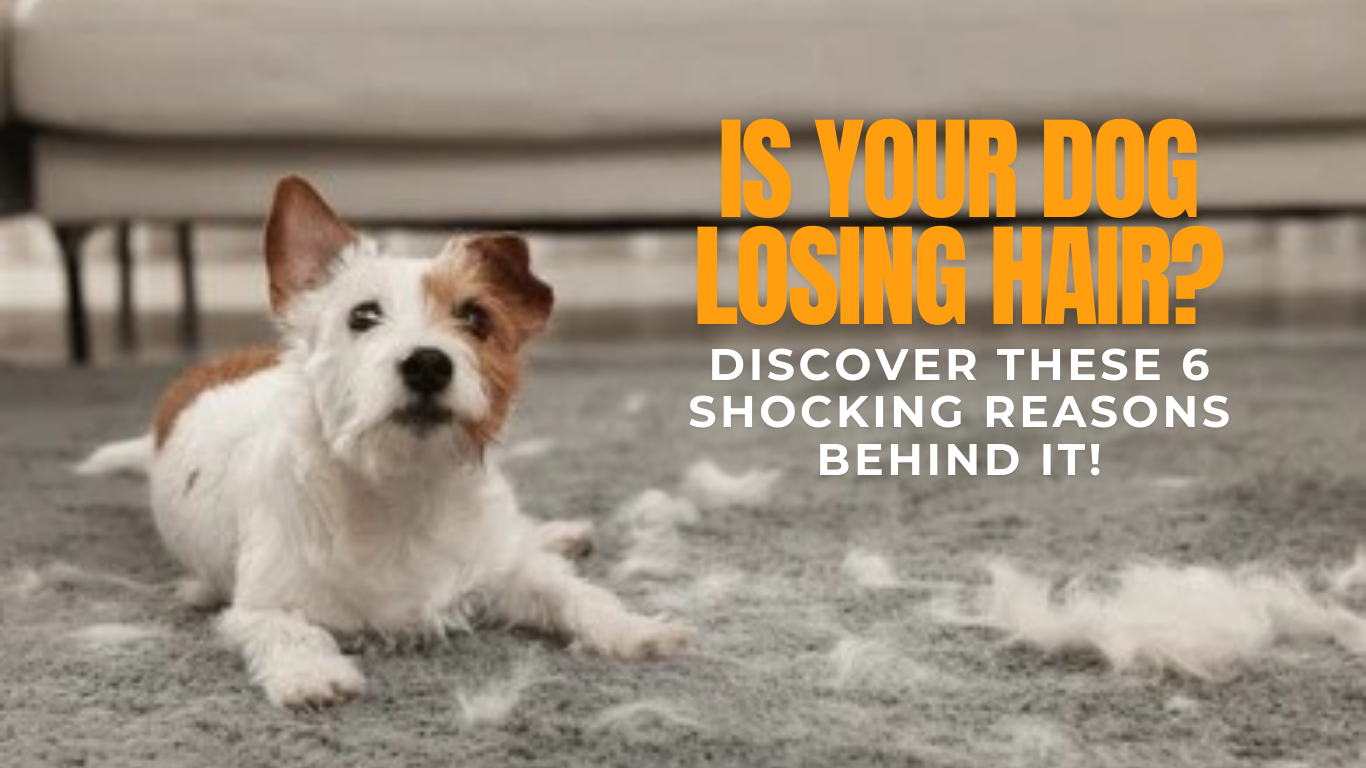

If you’ve noticed dog hair loss? It can be worrying. While shedding is a natural process for most dogs, excessive hair loss may indicate an underlying issue. It’s crucial to pay attention to changes in your dog’s coat, as it could point to something that requires medical attention. In this post, we’ll explore six surprising reasons behind dog hair loss, backed by veterinary insights. Knowing the root cause of your dog’s hair loss will help you provide the best care possible.
1. Allergies: A Common Culprit for Dog Hair Loss
One of the most common reasons for dog hair loss is allergies. Dogs can develop allergies to food, environmental factors (like pollen or dust mites), or even certain grooming products. When a dog experiences an allergic reaction, it often manifests in itchy skin, hair loss, and sometimes hot spots (inflamed, infected areas of skin).
What you can do:
If you suspect allergies are the cause of your dog’s hair loss, a visit to the vet is essential. Your vet can conduct tests to identify the allergen. In many cases, your dog may need an allergy-friendly diet, specific medications to reduce inflammation, or changes in their environment to avoid triggers.
2. Fleas and Parasites: The Silent Invaders
Fleas, ticks, and other parasites are another common cause of dog hair loss. Flea infestations lead to intense itching, and constant scratching or biting can cause hair to fall out. Additionally, parasites like mites and ticks can irritate the skin, leading to hair thinning.
What you can do:
Regular flea prevention treatments are vital in maintaining your dog’s health. If your dog has already been exposed to fleas, your vet may recommend flea baths, topical treatments, or oral medications to eliminate the pests and prevent further hair loss.
3. Hormonal Imbalances: Thyroid and Adrenal Issues
Hormonal changes in your dog’s body can also contribute to hair loss. Hypothyroidism (an underactive thyroid) is a common condition in dogs that leads to thinning hair, particularly around the body and tail. Another issue can be Cushing’s disease, which affects the adrenal glands and leads to hair loss and thinning skin.
What you can do:
If you notice that your dog’s hair loss is accompanied by other symptoms like weight gain, lethargy, or changes in appetite, it’s important to visit your vet. Your vet will likely conduct blood tests to check for thyroid or adrenal imbalances. Treatment may involve hormone therapy or medication to help regulate your dog’s hormone levels.
4. Skin Infections: Bacterial and Fungal Invaders
Infections caused by bacteria or fungi can result in dog hair loss. Yeast infections and fungal conditions like ringworm can cause itching, sores, and hair loss. Bacterial infections, especially in moist or dirty areas, may also lead to hair shedding.
What you can do:
A vet can diagnose skin infections through a physical exam, culture tests, or skin scrapings. Depending on the cause, your dog may need antibiotics, antifungal treatments, or medicated shampoos to clear up the infection and restore their coat.
5. Stress and Anxiety: Emotional Causes of Hair Loss
Just like humans, dogs can suffer from stress and anxiety, and this emotional distress can result in hair loss. Stressful events like changes in routine, a new environment, or the loss of a family member can cause a dog to excessively groom, chew, or pull at their fur. This leads to hair thinning or bald patches, especially on the legs, tail, and belly.
What you can do:
If you suspect that anxiety is the cause of your dog’s hair loss, it’s essential to help reduce their stress. You may want to provide a calm and secure environment, avoid sudden changes, and use calming products like anxiety vests or pheromone diffusers. If necessary, consult your vet for behavior modification strategies or medication.
6. Age-Related Hair Loss: The Natural Aging Process
As dogs age, it’s natural for their fur to thin. Older dogs tend to shed more and may lose hair around the eyes, ears, and chest. While this is typically a normal part of the aging process, sudden or excessive hair loss in senior dogs should still be investigated by a vet to rule out other health issues.
What you can do:
While age-related dog hair loss is generally not a concern, it’s still important to keep an eye on your senior dog’s health. Regular vet visits can help catch any underlying problems, and a healthy diet tailored to your dog’s age can support their overall coat and skin health.
When Should You Visit the Vet?
If your dog’s hair loss is accompanied by other symptoms, such as redness, sores, lesions, or changes in behavior, it’s crucial to schedule a visit with your veterinarian. A professional diagnosis is key to identifying the cause of the hair loss and getting your dog the right treatment.
Remember, even if the hair loss seems mild or localized, it’s always better to err on the side of caution. Early intervention can prevent more serious issues down the road and help your dog feel better sooner.
Understanding the reasons behind dog hair loss is essential for keeping your canine companion healthy and happy. Whether it’s due to allergies, parasites, hormonal imbalances, skin infections, stress, or simply aging, there’s often a solution to restore your dog’s coat to its former glory. Always consult with your vet to determine the exact cause and get personalized care for your dog’s specific needs.
By being proactive and attentive, you’ll ensure your dog’s health and well-being, both inside and out!