

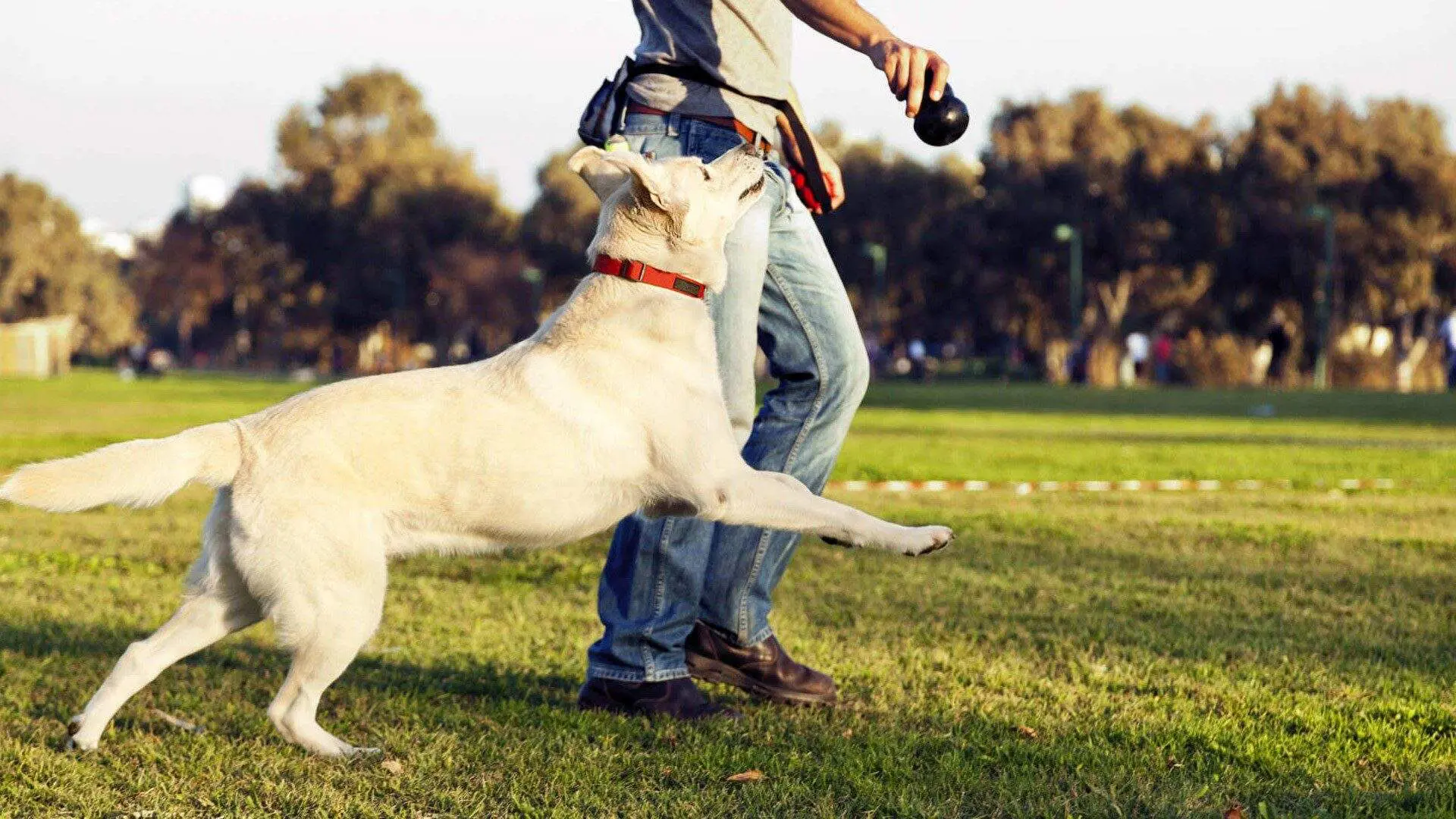

Have you ever watched a dog trainer at work and thought, “I could do that!”? If so, you might be onto something because there’s never been a better time to Become a Dog Trainer. The truth is, the demand for skilled dog trainers is barking mad these days (pun fully intended). With more and more people welcoming furry companions into their homes, the need for professional guidance to handle everything from basic obedience to serious behavioral issues is higher than ever, making it the perfect opportunity to Become a Dog Trainer.
Dogs are wonderful, but they can also be a handful. From pulling on the leash and chewing furniture to more complex problems like aggression or anxiety, many pet owners find themselves overwhelmed. That’s where dog trainers come in—they’re the bridge between frustration and harmony, teaching both dogs and owners how to communicate effectively. This growing demand means that choosing to Become a Dog Trainer can not only change the lives of pets and their owners but can also create a fulfilling and flexible career for you.
But here’s the thing: becoming a top-notch dog trainer takes far more than a simple love of pups and a pocket full of treats. It’s a profession that requires patience, consistency, and a strong understanding of canine behavior and psychology. To Become a Dog Trainer, you’ll need to study training techniques, learn how to read dog body language, and master positive reinforcement methods. With the right mindset and dedication, though, deciding to Become a Dog Trainer can open the door to an incredibly rewarding career path.
Calling all Canine Communicators: The Essential Skills for Dog Training Success
Think you’ve got what it takes to become a canine confidante? Here are the key ingredients for a successful dog training recipe:
- Doggone Passion: This one’s a no-brainer. You need to be absolutely passionate about pups and their well-being. After all, working with dogs can involve some less-than-glamorous moments (think “accidents” and chewed-up furniture) so a genuine love for our furry friends is essential.
- Patience of a Saint Bernard: Canine communication isn’t always as clear as a bark. Be prepared to decipher subtle tail wags, decipher doggy body language, and remain calm and collected even when faced with the most stubborn or energetic pups.
- Top-notch Teaching Techniques: Effective dog training is all about positive reinforcement and clear communication. You’ll need to master a toolbox of training techniques to help pups learn and behave in a way that fosters a happy and harmonious relationship between them and their humans.
- Empathy by the Earful: Stepping into a dog’s world requires understanding their emotions and motivations. A good dog trainer can see things from a dog’s perspective and tailor their approach accordingly.
From Kibble to Knowledge: The Path to Becoming a Certified Dog Trainer
So you’ve got the passion and the patience – now what? Here’s a step-by-step guide to turn your love of dogs into a fulfilling career:
- Pawsome Preparation: Get hands-on experience by volunteering at a local animal shelter or rescue organization. This will give you valuable insights into different dog breeds, personalities, and behavioral issues.
- Find Your Fur-ever Mentor: Seek guidance from an experienced dog trainer. Shadow them, assist with classes, and soak up their knowledge like a sponge. A good mentor can provide invaluable advice and support as you navigate your dog training journey.
- Unleashing Your Potential: Formal Training and Certification
While formal education and certification aren’t always mandatory, they can definitely give you a leg up in the competitive world of dog training. Many reputable organizations offer dog training courses and certifications. These programs will equip you with the necessary skills and knowledge to become a professional dog trainer.
The Business of Barking: Startup Costs and Legal Considerations
Before you hang out your shingle and declare yourself open for business, there are a few practicalities to consider:
- Startup Savvy: Factor in the costs of equipment (leashes, collars, treats, etc.), marketing materials, insurance, and any business permits or licenses required in your area.
- Legal Leash on Life: Research local laws and regulations related to dog training businesses. You may need to obtain specific permits or licenses to operate legally.
Ready to Wag Your Tail and Fetch Success?
So, there you have it! Become a Dog Trainer and you’ll realize that success isn’t just about loving dogs—it’s about understanding them, building trust, and developing the patience to guide both pets and their owners toward positive change. With the right combination of passion, dedication, and a willingness to learn, anyone can become a dog trainer and turn their love for dogs into a fulfilling career.
Training dogs requires more than teaching simple commands. If you want to become a dog trainer, you must learn to read canine body language, address behavioral issues, and customize techniques to suit different breeds and temperaments. It’s about helping dogs feel safe, confident, and eager to learn, while also educating owners on how to maintain consistency and reinforce good habits at home.
Experience plays a huge role in this journey. Every dog you meet becomes a teacher, offering lessons in problem-solving and communication. To truly become a dog trainer, pair this hands-on practice with formal education—such as attending workshops, earning certifications, or working under experienced trainers—to develop the well-rounded skill set needed to succeed.
In the end, dog training is more than a job; it’s a way to create harmony between pups and their people. With commitment and heart, those who become a dog trainer can truly make a difference in every wagging tail they meet.