



Many dog owners are curious about which foods are safe and healthy for their furry companions. One common food that often sparks questions is corn. Found in a wide variety of human meals and snacks, corn is also a common ingredient in many commercial dog foods. But this leads to an important and frequently asked question: Can dogs eat corn? Is it a safe and beneficial option for their diet, or should it be avoided altogether? In this article, we’ll explore the answer to can dogs eat corn, breaking down its nutritional value and potential risks.
Corn contains carbohydrates, fiber, and essential nutrients like B-complex vitamins and antioxidants such as beta-carotene. These elements can support energy levels, promote digestive health, and contribute to a strong immune system when included in moderation. But again, can dogs eat corn without worry?
The key is in how the corn is prepared. Plain, cooked corn kernels can be a safe and occasional treat, but corn on the cob poses serious choking hazards and risks of intestinal blockage. It’s also worth noting that some dogs may have allergies or sensitivities to corn, especially when it’s a main ingredient in their food.
So, can dogs eat corn safely? The answer is yes—when it’s prepared properly and offered in appropriate amounts. By understanding your dog’s specific needs and any potential reactions, you can make better choices and confidently answer the question: Can dogs eat corn?
This article will answer that question and more, helping you make informed choices about what foods to share with your pup.
Is Corn Safe for Dogs?
The short answer is yes, dogs can eat corn, but with some precautions. Corn itself is not toxic to dogs, but there are a few things to consider:
- Cooked vs. Raw Corn: Raw corn is difficult for dogs to digest and can potentially cause digestive issues. Additionally, the corn cob can be a choking hazard or cause intestinal blockages if ingested. It’s best to feed dogs cooked corn kernels, as cooking helps break down the tough cellulose in corn, making it easier to digest.
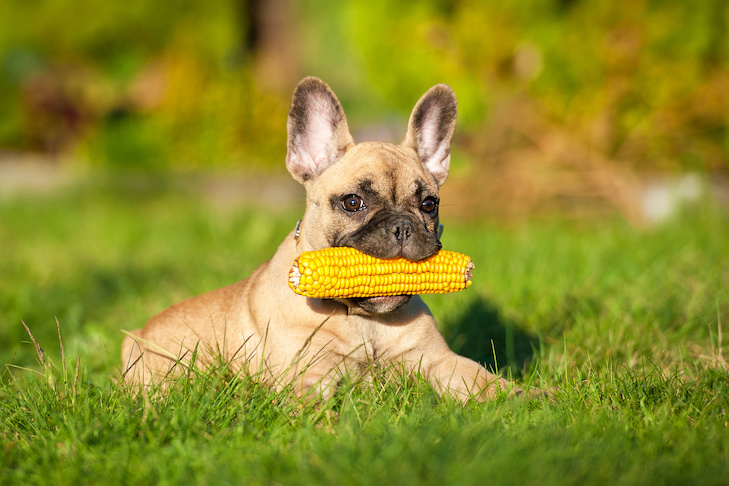
- Remove the Corn Cob: If you’re feeding your dog corn, always remove the kernels from the cob before serving. The cob is not digestible and can cause serious problems if ingested.
- Avoid Seasonings: Plain, unseasoned corn is best for dogs. Avoid adding butter, salt, or other seasonings, as these can be harmful to your dog’s health.
Benefits of Corn for Dogs
While corn should be given in moderation, it can offer some nutritional benefits to your dog:
- Source of Carbohydrates: Corn is a carbohydrate-rich food, providing energy for your dog’s daily activities.
- Source of Fiber: Corn contains dietary fiber, which can help with digestion and promote a healthy digestive system.
- Vitamins and Minerals: Corn contains vitamins such as vitamin A, B vitamins, and minerals like potassium and magnesium, which are beneficial for your dog’s overall health.
How to Feed Corn to Your Dog
If you decide to incorporate corn into your dog’s diet, here are some tips:
- Cook Thoroughly: Make sure the corn is fully cooked before serving it to your dog. Steamed, boiled, or grilled corn kernels are all good options.
- Serve in Moderation: Corn should be given as an occasional treat and not as a staple food in your dog’s diet. Too much corn can lead to weight gain and other health issues.
- Monitor for Allergies: While dogs can eat corn, some may be allergic to it. Therefore, it’s crucial to watch for any signs of allergies or adverse reactions after your dog consumes corn.
In conclusion, corn can be a safe and healthy treat for dogs when given in moderation and prepared properly. When considering whether dogs eat corn, it’s important to understand that cooked corn kernels, free from seasonings, salt, or butter, and removed from the cob, can offer some nutritional benefits to your furry friend. Corn contains essential vitamins, such as vitamin A and B-complex vitamins, which contribute to your dog’s overall health, as well as fiber to aid in digestion. However, while many dogs can eat corn without issue, it’s always essential to monitor their reaction and consult with your veterinarian before introducing new foods into your dog’s diet, especially if your dog has any existing health conditions or dietary restrictions.
Additionally, it’s important to be mindful of the potential for corn to pose digestive challenges for some dogs, especially when it’s consumed in large quantities or served in an improper form. Many pet owners often wonder, can dogs eat corn safely? Whole corn kernels, for example, can be difficult for a dog’s digestive system to break down, which may lead to gastrointestinal discomfort or even blockages in smaller breeds. Similarly, corn on the cob poses a serious choking hazard and should never be given to dogs, as the cob itself is not digestible and can cause intestinal obstruction if swallowed.
To answer the question can dogs eat corn, the key lies in how it’s prepared. Always prepare corn properly before offering it as a treat. Cooked, plain corn—either boiled or grilled without added salt, butter, or seasoning—is the safest option. Avoid giving your dog processed corn-based snacks like corn chips or popcorn loaded with toppings, as these can introduce unnecessary fats and sodium into their diet.
So, can dogs eat corn and benefit from it? Yes—when offered in moderation and prepared with care, corn can be a tasty and nutritious snack that provides carbohydrates, fiber, and essential vitamins like B-complex. By considering how can dogs eat corn safely, you ensure your dog enjoys this grain responsibly without the risk of health issues related to overconsumption or poor preparation.