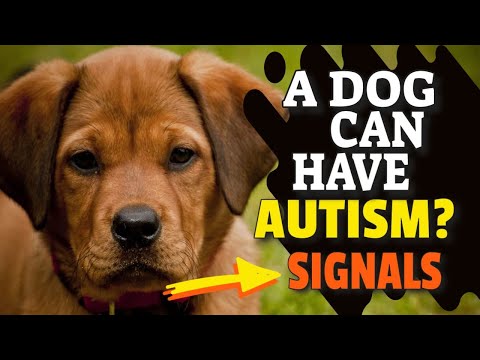


Autism, a neurodevelopmental disorder in humans, affects social interaction, communication, and behavior. But can dogs have autism? While there is no official diagnosis of autism in dogs, experts recognize that some dogs exhibit atypical behaviors similar to autism spectrum disorders (ASD) in humans. This has led to terms like “canine dysfunctional behavior” to describe these traits. Understanding these behaviors can help pet owners provide better care and support for their furry companions.
What Is Autism in Humans?
Autism Spectrum Disorder (ASD) is a complex neurodevelopmental condition affecting how individuals interact with others, process sensory information, and respond to their environment. Symptoms and severity vary widely, but some common signs of autism in humans include:
-
Difficulty with verbal and non-verbal communication
-
Limited or repetitive behaviors
-
Challenges in understanding social cues
-
Sensory sensitivities (e.g., being overly sensitive to light, sound, or touch)
ASD is usually diagnosed in early childhood, but the exact cause is still under investigation. Experts believe a combination of genetic and environmental factors plays a role in its development.
Can Dogs Have Autism?
While the term “autism” is not typically used to describe behavioral conditions in animals, there are similarities between some dogs’ behavior and human ASD. Dogs can exhibit behaviors such as repetitive movements, social withdrawal, and resistance to change, which are hallmark traits of autism in humans. However, dogs with such behaviors are more likely to have a condition known as canine dysfunctional behavior or neurodevelopmental disorders that share some characteristics with autism.


Behavioral Signs That May Mimic Autism
Not all dogs will display these behaviors, but those that do may have some of the following characteristics:
-
Repetitive actions: Some dogs exhibit compulsive behaviors like tail-chasing, spinning in circles, or licking their paws excessively. These repetitive actions can resemble the repetitive behavior often seen in children with autism.
-
Social detachment: Dogs with autism-like symptoms may seem uninterested in interacting with humans or other dogs. They might avoid eye contact, withdraw from social engagement, or show a lack of interest in playing.
-
Overreacting to stimuli: Some dogs are overly sensitive to sound, touch, or visual stimuli. This heightened sensitivity may lead to anxiety, fear, or aggression when exposed to certain environments or situations.
-
Lack of response to commands: Just as children with autism may have difficulty responding to social cues, dogs with neurodevelopmental issues might ignore commands or behave unpredictably despite consistent training.
-
Unexplained aggression: Dogs showing aggression without a clear reason—such as a sudden outburst when being petted or approached—can be a sign of underlying neurodevelopmental issues.
What Causes Autism-Like Behavior in Dogs?
The exact causes of autism-like behaviors in dogs are not well understood, and research on this subject is limited. However, several factors may contribute to these behaviors:
-
Genetics: Certain breeds are more prone to behavioral issues. Breeds like Border Collies, German Shepherds, and Dachshunds have been noted to display compulsive or obsessive behaviors more frequently.
-
Early-life trauma or lack of socialization: Dogs that experience a lack of socialization during their critical development stages (around 3 to 14 weeks of age) may develop anxiety, fear, or abnormal behaviors. A traumatic early experience, such as neglect or abuse, can also lead to behaviors that mimic autism.
-
Neurological issues: Abnormalities in the brain or nervous system could explain some of the behaviors seen in dogs. These neurological issues may be congenital or develop as a result of injury or illness.
-
Chemical imbalances: Just as some humans with autism have imbalances in brain chemicals like serotonin and dopamine, it is possible that dogs with autism-like behaviors may have similar chemical irregularities affecting their mood and behavior.
Diagnosing Autism-Like Behavior in Dogs
Unlike humans, dogs cannot undergo a clinical diagnosis for autism. However, veterinarians and animal behaviorists may use a combination of observation, behavioral tests, and medical history to rule out other conditions and identify unusual patterns of behavior.
To diagnose a dog with autism-like behaviors, veterinarians might ask:
-
When did the unusual behaviors first appear?
-
Is the dog responsive to its environment or overly withdrawn?
-
Does the dog show signs of aggression or fear with no clear trigger?
-
Are there any physical symptoms like seizures or vision problems?
-
What is the dog’s breed and social history?
It’s essential for pet owners to rule out other potential causes for a dog’s behavioral issues. Conditions like hearing loss, neurological disorders, or vision problems may result in similar symptoms.


How to Help a Dog with Autism-Like Traits
While there is no cure for autism in dogs, there are steps that can help manage behaviors and improve quality of life. Here are some effective strategies:
-
Structured routine: Dogs with neurodevelopmental disorders often thrive on predictability. Keeping feeding, walks, and playtime on a consistent schedule can help reduce anxiety and improve behavior.
-
Safe, quiet spaces: Create a calm environment for your dog, free from excessive noise or stimulation. This can help them feel secure and reduce anxiety.
-
Behavioral therapy: Working with a certified animal behaviorist can help address unwanted behaviors like compulsive actions or social withdrawal. Positive reinforcement training can be used to reward desirable behaviors.
-
Sensory enrichment: Provide a variety of sensory experiences to engage your dog. Toys, puzzle feeders, and interactive play can stimulate your dog’s mind and help reduce boredom.
-
Medication: In some cases, veterinarians may recommend medications to help with anxiety, compulsive behaviors, or aggression. These medications can help balance your dog’s brain chemistry and improve their overall well-being.
People Also Ask
Q: Can dogs be autistic?
A: While dogs can’t be diagnosed with autism in the same way humans are, they can exhibit behaviors that resemble autism, such as repetitive actions, social withdrawal, and sensory sensitivities.
Q: What are the signs of autism in dogs?
A: Signs include repetitive behaviors like tail-chasing or spinning, social detachment, overreaction to stimuli, lack of response to commands, and unexplained aggression.
Q: How do I know if my dog has autism?
A: A veterinarian or behaviorist can assess your dog’s behavior and rule out other conditions. They’ll consider factors like breed, early-life experiences, and behavior patterns.
Q: What causes autism in dogs?
A: Potential causes include genetics, early-life trauma, neurological differences, and environmental factors. However, the exact cause of autism-like behaviors in dogs remains unclear.
Q: Can you treat autism in dogs?
A: While there’s no cure for autism-like behaviors in dogs, management strategies like routine, behavioral therapy, sensory enrichment, and medication can help improve their quality of life.
While dogs can’t be diagnosed with autism in the same way humans are, some exhibit behaviors that mimic autism spectrum disorder. Understanding these behaviors and providing structured care, along with professional support, can help dogs with autism-like traits lead happy, fulfilling lives. If you suspect your dog may have neurodevelopmental issues, consulting with a veterinarian or behaviorist is the first step to ensuring your dog receives the care and support they need.