


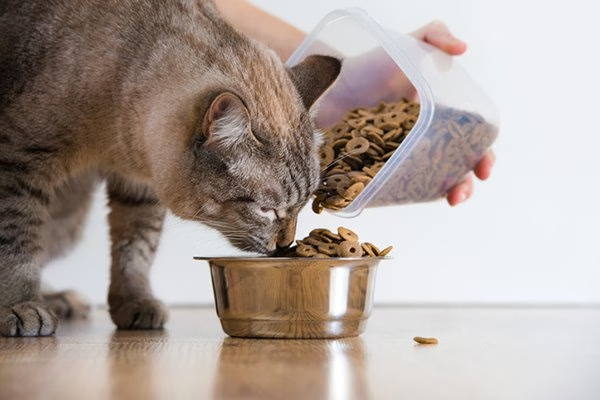


Feeding a sick cat can be incredibly distressing, especially when your feline refuses to eat. Cats are known for being finicky eaters, but when illness causes a lack of appetite, it’s more than just picky behavior—it can be a serious health concern. Whether your furry friend is recovering from surgery, battling an infection, or just feeling under the weather, knowing what and how to feed them can make all the difference in their recovery.
This guide explores practical tips and strategies for feeding a sick cat that won’t eat, including what foods to offer, when to call the vet, and how to encourage eating during tough times.
Why Is Your Cat Not Eating?
A loss of appetite (anorexia) in cats can stem from various causes, including:
-
Medical Conditions (e.g., kidney disease, dental problems, liver issues)
-
Stress or Environmental Changes
-
Pain or Nausea
-
Infections or Viruses
-
Medication Side Effects
Cats can quickly develop a condition called hepatic lipidosis (fatty liver disease) if they stop eating for more than 48–72 hours. That’s why timely action is essential when feeding a sick cat.
When to See a Veterinarian
Before attempting to tempt your cat with food at home, it’s vital to identify and treat the underlying cause. Visit your vet if your cat:
-
Hasn’t eaten in more than 24 hours
-
Shows signs of pain or discomfort
-
Is rapidly losing weight
-
Has pale gums or labored breathing
Once your veterinarian diagnoses the issue and provides treatment, you can support your cat’s recovery by offering the right foods at the right time.
General Feeding Tips for Sick Cats
Here are some helpful feeding strategies to encourage a sick cat to eat:
1. Warm Up the Food
Warming wet food slightly (not hot!) enhances its smell, which can entice cats with reduced appetites. Warmed food mimics fresh prey and is easier to digest.
2. Offer Strong-Smelling Foods
Cats rely heavily on scent. Foods like tuna, sardines in water, or baby food (without garlic/onion) can stimulate their interest.
3. Hand Feeding or Spoon Feeding
Some cats respond better to gentle hand feeding, especially if they associate the feeding process with love and comfort.
4. Serve Small, Frequent Meals
Rather than one or two large meals, offer small portions several times a day to reduce pressure and increase intake.
5. Keep the Environment Calm
Create a stress-free environment—soft lighting, quiet space, and comfort can all help improve your cat’s willingness to eat.
What to Feed a Sick Cat That Won’t Eat
If your cat is refusing their usual food, try these options to stimulate appetite and support recovery:
1. Prescription Recovery Diets
Your vet may recommend veterinary-formulated recovery diets, such as:
-
Hill’s a/d
-
Royal Canin Recovery
-
Purina Pro Plan CN
These are high-calorie, nutrient-dense foods designed for easy digestion and palatability.
2. Wet/Canned Cat Food
Canned food is more aromatic and easier to chew than dry kibble, making it ideal for sick cats.
Look for options that are:
-
High in protein
-
Free from artificial additives
-
Formulated for sensitive stomachs
Examples:
-
Weruva Cats in the Kitchen
-
Tiki Cat After Dark
-
Fancy Feast Classic Pate (vet-approved varieties)
3. Boiled Chicken or Turkey
Plain, skinless chicken or turkey is gentle on the stomach and protein-rich. Ensure it’s fully cooked, unseasoned, and shredded into tiny pieces.
4. Unseasoned Scrambled Eggs
A small portion of scrambled egg can be a great source of protein and easy on the digestive system—just make sure it’s cooked without oil, salt, or butter.
5. Tuna or Sardines (in Water)
Offered in moderation, these strong-smelling fish can entice even the most reluctant eaters. Limit this to occasional feeding due to high sodium and mercury content.
6. Meat-Based Baby Food
Stage 1 baby food made from chicken, turkey, or beef (without onion, garlic, or seasonings) can be an excellent short-term solution for feeding a sick cat. Always read the label carefully.
7. Broth or Bone Broth
Low-sodium chicken broth or bone broth adds flavor and hydration. Pouring a little over your cat’s food can make it more appealing.
What Not to Feed a Sick Cat
Avoid giving your cat these foods, especially when they are unwell:
-
Onions, garlic, or chives (toxic to cats)
-
Chocolate, caffeine, or alcohol
-
Milk (many cats are lactose intolerant)
-
Raw meat or fish (risk of bacteria or parasites)
-
Dog food (nutritionally inappropriate for cats)
-
Bones, especially cooked (choking hazard)
Always consult your vet before offering unfamiliar foods during illness.
Hydration Is Just as Important
Cats who are sick often stop drinking water, which can lead to dehydration—a dangerous condition that can exacerbate illness. Encourage hydration by:
-
Offering fresh, clean water in multiple bowls
-
Using a cat water fountain (many cats prefer moving water)
-
Serving wet food with added water or broth
-
Using oral rehydration fluids prescribed by your vet
In severe cases, your vet may administer fluids under the skin (subcutaneous fluids) or intravenously.
Assisted Feeding Options
If your cat still won’t eat after trying various techniques and treatments, your vet may recommend:
1. Appetite Stimulants
Medications like mirtazapine or capromorelin (Entyce) are commonly prescribed to encourage eating.
2. Syringe Feeding
For cats who won’t eat on their own but are not too stressed, you can try syringe-feeding a vet-approved recovery formula. Use a soft syringe and feed slowly.
Important: Always consult your vet before attempting syringe feeding to avoid aspiration.
3. Feeding Tubes
In severe cases, your vet may insert an esophagostomy or nasogastric tube for safe and consistent feeding. While this sounds scary, it can be a lifesaving option.
How Long Can a Sick Cat Go Without Eating?
Cats should never go more than 24–36 hours without food. After that, the risk of hepatic lipidosis increases—especially in overweight cats. This potentially fatal condition causes fat to build up in the liver when the body starts breaking down fat for energy.
The sooner you intervene, the better your cat’s chances of recovery.
Helping Your Cat Get Back on Track
Feeding a sick cat can be challenging, but with patience, gentle care, and guidance from your veterinarian, most cats bounce back. Remember:
-
Act quickly if your cat stops eating
-
Offer appealing, easy-to-digest foods
-
Keep their environment calm and comforting
-
Consult your vet before trying new feeding methods
Your cat may not be able to tell you what they need—but your love, care, and attention to their nutrition can be just what helps them heal.