



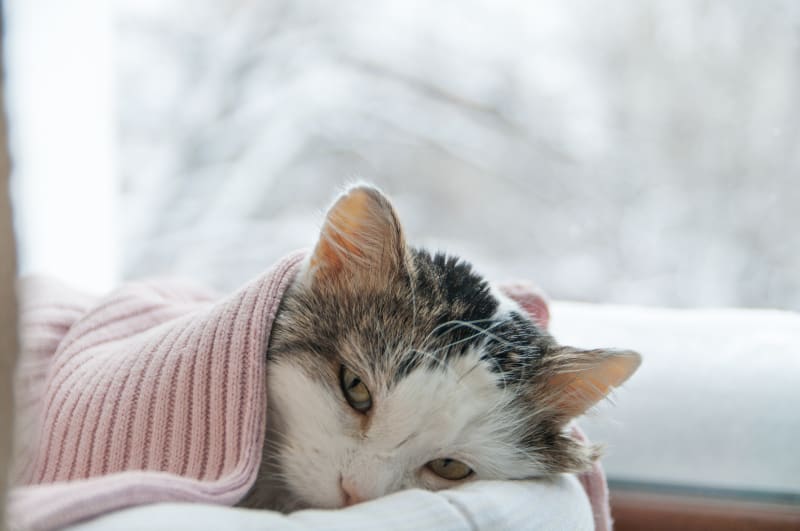
As a devoted cat owner, you’ve likely found yourself wondering if your beloved feline friend can catch a cold, especially when you notice sneezing, watery eyes, or a runny nose. The answer is yes—cats can indeed catch cat colds. However, the situation is a bit more complex than a simple yes or no. Cat colds, also known as upper respiratory infections (URIs), are common among felines and are typically caused by viruses such as feline herpesvirus (FHV) or calicivirus. These illnesses are highly contagious, particularly in environments with multiple cats like shelters or catteries.
Understanding cat colds means recognizing the signs early. Symptoms may include sneezing, nasal discharge, coughing, fever, loss of appetite, and lethargy. While most cat colds are mild and resolve on their own within a week or two, some cases may require veterinary attention, especially if your cat stops eating or shows signs of worsening health. Treatments often involve supportive care such as hydration, rest, and sometimes antibiotics for secondary bacterial infections.
Prevention plays a crucial role, too. Keeping your cat’s vaccinations up to date, reducing stress, and maintaining good hygiene can greatly minimize the risk of cat colds. By staying informed, you can ensure your feline companion stays happy, healthy, and purring through every season.
Understanding Cat Colds
Just like humans, cats are susceptible to upper respiratory infections, which are commonly referred to as “cat colds.” These infections can be caused by a variety of viruses and bacteria, with the most common culprits being feline herpesvirus and feline calicivirus. These viruses are highly contagious and can spread from cat to cat through direct contact, shared litter boxes, food bowls, or even through the air.
Symptoms of Cat Colds
The symptoms of a cat cold are similar to those of a cold in humans. They may include:
- Sneezing
- Runny nose
- Watery eyes
- Coughing
- Lethargy
- Loss of appetite
- Fever
If you notice any of these symptoms in your cat, it’s essential to consult your veterinarian for a proper diagnosis and treatment plan.

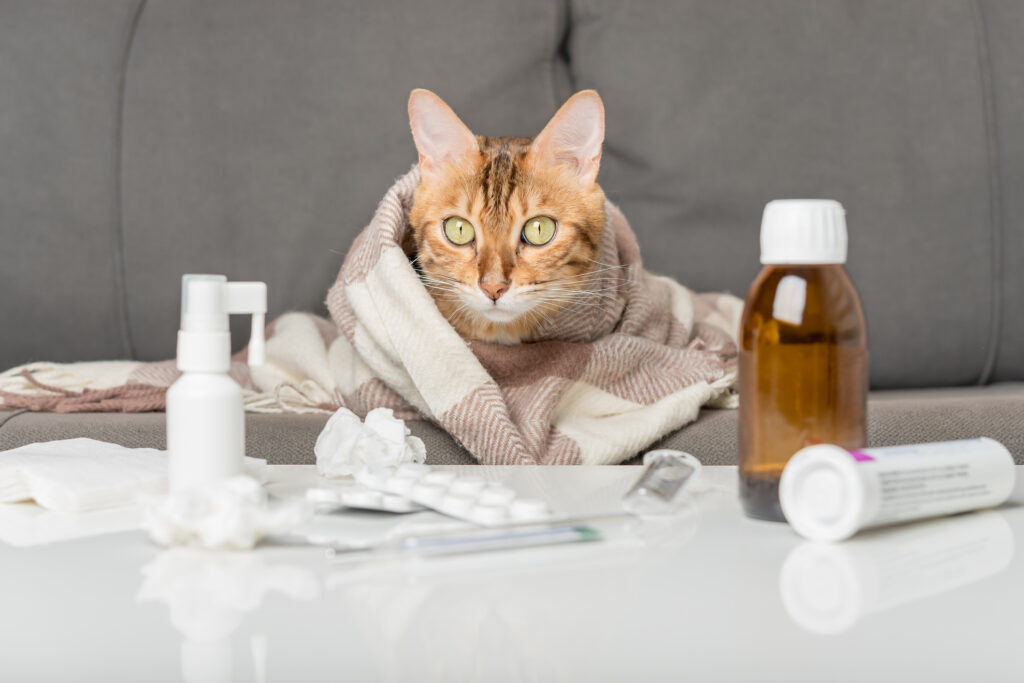
Treatment for Cat Colds
Unfortunately, there is no cure for cat colds, but supportive care can help alleviate your cat’s symptoms and make them more comfortable as they recover. Your vet may recommend:
- Keeping your cat warm and comfortable
- Providing plenty of fresh water to prevent dehydration
- Using a humidifier to help ease congestion
- Encouraging your cat to eat by offering tasty, easily digestible foods
- Administering any prescribed medications, such as antibiotics or antiviral drugs, as directed by your vet
Prevention Tips
Preventing cat colds is not always possible, but there are steps you can take to reduce your cat’s risk of infection:
- Keep your cat up to date on vaccinations, especially for feline herpesvirus and feline calicivirus.
- Minimize your cat’s exposure to other cats, especially those who are sick.
- Practice good hygiene by regularly cleaning your cat’s litter box and food and water bowls.
- Keep your cat’s environment clean and well-ventilated.
- Consider using air purifiers to reduce the spread of airborne viruses.
When to See the Vet
While most cat colds will resolve on their own with proper care, some cases may require veterinary attention. You should contact your vet if:
- Your cat’s symptoms persist or worsen
- Your cat is having difficulty breathing
- Your cat refuses to eat or drink
- Your cat develops a high fever
Your vet can assess your cat’s condition and recommend the best course of action.
While Cat Colds can certainly be uncomfortable and distressing for your furry friend, the good news is that with proper care, attention, and a bit of patience, most cats will recover without complications. Cat Colds, often caused by upper respiratory infections, can lead to symptoms such as sneezing, watery eyes, nasal discharge, and a decrease in appetite or energy. It’s important to monitor your cat closely during this time and ensure they stay warm, hydrated, and well-nourished. In some cases, your veterinarian may recommend medications or supportive treatments to ease symptoms and speed up recovery.
By staying informed about the symptoms, causes, and treatment options for Cat Colds, you’re already taking a crucial step toward being a responsible and proactive pet parent. Prevention is equally important—minimizing stress, maintaining a clean environment, and staying current on vaccinations can reduce the chances of your cat catching a cold in the first place. Understanding how Cat Colds spread can also help protect multiple pets in a household.
Remember, if your cat’s symptoms worsen, linger for more than a few days, or if you notice signs like labored breathing or refusal to eat, don’t hesitate to contact your veterinarian. With your love and proper veterinary support, your feline companion will be back to their playful, purring self in no time—free from the discomfort of Cat Colds.