



What is Cat Molting? Everything You Need to Know
Understanding Your Cat’s Seasonal Shedding Cycles


If you’ve ever found yourself covered in cat hair after a cuddle session or noticed tufts of fur around your home, you’re witnessing a natural feline process in action. Cat molting is a normal biological function, but it can sometimes leave pet parents concerned—especially when it seems excessive. In this comprehensive guide, we’ll explore everything you need to know about cat shedding, from seasonal patterns to management strategies and when to seek veterinary care.
What Exactly Is Cat Molting?
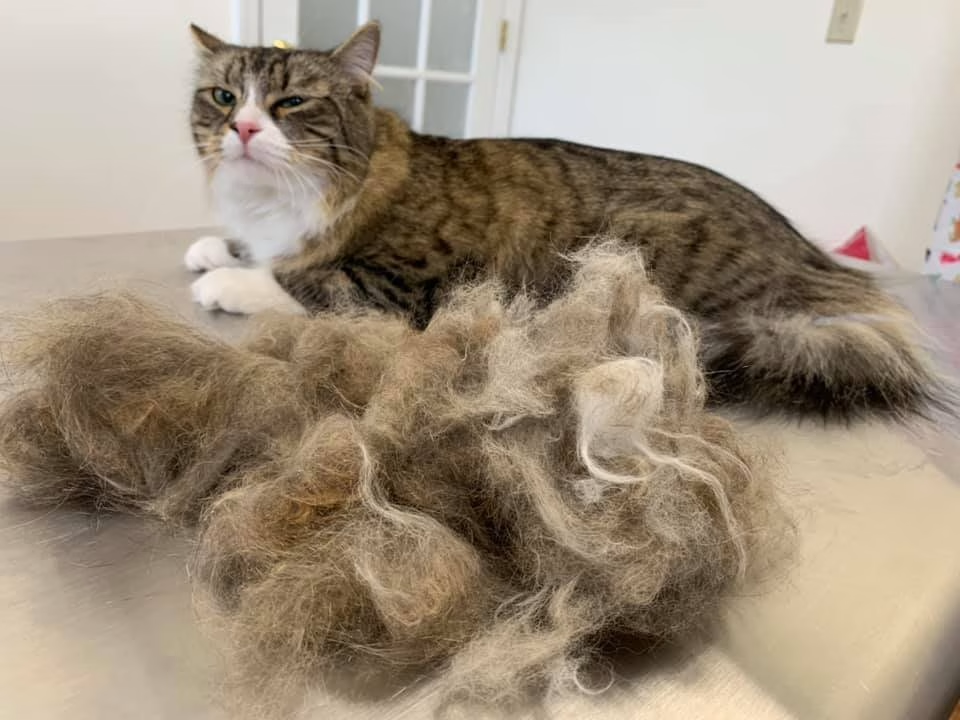
Cat molting (also called shedding) is the natural process where cats lose old, damaged, or excess fur to make way for new, healthy hair growth. This essential biological function helps maintain coat health and adapts to changing environmental conditions.
Unlike what some might believe, molting isn’t just a once-a-year event. Cats typically experience different shedding cycles throughout the year, though the intensity can vary significantly based on season, breed, and living environment.
The Science Behind the Shed
A cat’s fur consists of two main layers:
- Undercoat: The dense, soft layer closest to the skin that provides insulation
- Guard hairs: The longer, coarser outer fur that offers protection and waterproofing
When a cat molts, both layers can be affected, though the fluffy undercoat often sheds more noticeably. Each hair follicle follows its own growth cycle consisting of:
- Anagen phase: Active growth period
- Catagen phase: Transitional period where growth slows
- Telogen phase: Resting period
- Exogen phase: Shedding period when the old hair falls out and a new one begins to grow
These cycles don’t happen simultaneously across the entire coat, which is why cats shed continuously rather than losing all their fur at once (unlike some reptiles that shed their skin in one piece).
Why Do Cats Molt? Understanding the Causes
Several factors influence the timing, duration, and intensity of your cat’s molting cycles:
1. Seasonal Changes: Nature’s Calendar


The most significant shedding typically occurs during spring and fall as cats respond to changing daylight hours and temperatures—a process called photoperiodism. This natural mechanism helps cats prepare for different weather conditions:
- Spring shedding: Cats lose their thick winter undercoat as temperatures rise, resulting in sometimes dramatic fur loss
- Fall shedding: A less intense cycle where summer coats are replaced with denser winter fur
Interestingly, this process is triggered more by changing light patterns than by temperature itself, which is why indoor cats with exposure to natural light still experience seasonal shedding cycles.
2. Breed Variations: The Genetic Component
Not all cats shed equally—genetics plays a significant role in determining shedding patterns:
- Heavy shedders: Maine Coons, Norwegian Forest Cats, Persians, and Siberians produce remarkable amounts of fur during molting seasons
- Moderate shedders: Domestic Shorthairs, American Shorthairs, and Russian Blues experience noticeable but manageable shedding
- Light shedders: Siamese, Bengals, Cornish Rex, and Devon Rex cats typically shed minimally
- Non-shedding: Sphynx (hairless), Peterbald, and certain hypoallergenic breeds produce minimal dander and hair
Remember that even “non-shedding” breeds lose some hair—just in significantly smaller amounts that may go unnoticed.
3. Indoor vs. Outdoor Lifestyle: Environmental Impact
Your cat’s living situation significantly affects their molting patterns:
- Outdoor cats follow more pronounced seasonal shedding cycles as they’re exposed to natural light and temperature fluctuations
- Indoor cats often experience less dramatic but more consistent year-round shedding due to artificial lighting and climate-controlled environments
- Indoor-outdoor cats may show a combination of patterns, with more noticeable seasonal peaks
Many exclusively indoor cats living in homes with consistent artificial lighting and controlled temperatures may develop somewhat irregular shedding cycles that don’t align perfectly with seasonal changes.
4. Nutrition and Health: The Internal Factors


What goes into your cat directly impacts what comes out—including their fur:
- Nutritional quality: Diets rich in high-quality protein, essential fatty acids (especially omega-3 and omega-6), vitamins (particularly B vitamins), and minerals support healthy coat growth and reduce excessive shedding
- Hydration levels: Dehydrated cats often have drier skin, which can increase fur loss and dander production
- Hormonal balance: Thyroid conditions, pregnancy, or reproductive status can all influence shedding patterns
A cat’s overall health status significantly affects their coat quality and shedding amount. Well-nourished cats with balanced diets typically have stronger, more resilient fur that sheds more normally.
5. Stress and Environmental Changes: The Emotional Component
Cats are sensitive creatures, and psychological factors can trigger increased shedding:
- Household changes: Moving homes, renovations, new furniture
- Family dynamics: New pets, babies, visitors, or schedule changes
- Environmental stressors: Loud noises, construction, unfamiliar smells
During stressful periods, cats may engage in excessive grooming behaviors that remove more fur than usual, or stress hormones may directly affect hair follicle cycles.
How to Effectively Manage Cat Molting
While you can’t stop natural shedding completely, there are numerous strategies to manage it effectively:
1. Regular Grooming: Your First Line of Defense

Consistent grooming is the most effective way to control shedding:
- Short-haired cats: Brush 1-2 times weekly (daily during peak shedding)
- Long-haired cats: Brush every other day (daily during peak shedding)
- Tool selection matters:
- Slicker brushes work well for removing loose fur from most coat types
- Deshedding tools (like the Furminator) reach the undercoat effectively
- Rubber grooming mitts help remove loose hair while massaging the skin
- Fine-tooth combs are excellent for detangling long-haired breeds
Grooming your cat regularly not only reduces the amount of fur around your home but also:
- Distributes natural skin oils for a healthier coat
- Reduces hairballs by removing fur before your cat ingests it while self-grooming
- Provides an opportunity to check for skin issues, parasites, or abnormalities
- Strengthens your bond with your feline companion
2. Optimal Nutrition: Building a Healthy Coat from Within
What you feed your cat directly impacts their coat health:
- Look for foods containing:
- High-quality animal protein (listed as the first ingredient)
- Omega-3 fatty acids from fish oils, flaxseed, or chia seeds
- Omega-6 fatty acids from poultry fat or plant oils
- Zinc, which supports skin cell production
- Biotin and B vitamins for healthy skin and fur
- Consider supplements (with veterinary approval):
- Fish oil supplements specifically formulated for cats
- Brewer’s yeast (which contains B vitamins)
- Specialized skin and coat supplements
Remember that dietary changes should be made gradually over 7-10 days to prevent digestive upset.
3. Hydration: The Often-Overlooked Factor
Proper hydration supports skin elasticity and helps reduce excessive shedding:
- Ensure constant access to fresh, clean water
- Consider a cat fountain to encourage drinking (many cats prefer moving water)
- Incorporate wet food into their diet, which provides additional moisture
- Monitor water intake, especially in senior cats who may be prone to dehydration
In hotter months or heated indoor environments, hydration becomes even more crucial for maintaining skin and coat health.
4. Environmental Management: Creating Ideal Conditions
Your home environment can influence your cat’s shedding patterns:
- Humidity levels: Use a humidifier in dry environments to prevent skin dryness
- Temperature control: Maintain moderate, stable temperatures when possible
- Air quality: Regular air filter changes can reduce dander and allergens
- Access to sunshine: Provide safe sunbathing spots, as moderate sun exposure supports vitamin D production and healthy skin
Creating a comfortable, stable environment helps reduce stress-related shedding and supports natural molting cycles.
5. Stress Reduction: Calming Strategies
Since stress can trigger excessive shedding, consider these approaches:
- Establish routines for feeding, playtime, and attention
- Create safe spaces where your cat can retreat when feeling overwhelmed
- Use pheromone products like Feliway to create a calming atmosphere
- Provide environmental enrichment through toys, climbing opportunities, and interactive play
- Minimize exposure to known stressors when possible
For cats experiencing significant stress-related shedding, gradual desensitization techniques can sometimes help reduce sensitivity to specific triggers.
6. Home Management: Living with Shedding
Even with the best management, some shedding is inevitable. These strategies can help keep your home relatively fur-free:
- Regular vacuuming with pet-specific attachments (ideally with HEPA filtration)
- Microfiber or rubber cleaning tools which attract and collect pet hair
- Washable furniture covers that can be easily cleaned
- Lint rollers strategically placed throughout your home
- Air purifiers to capture airborne fur and dander
- Designated cat relaxation areas like beds or blankets that can be easily cleaned
Many pet owners find that establishing a regular cleaning schedule that aligns with their cat’s shedding patterns helps maintain a cleaner home with less effort.
When to Be Concerned: Abnormal Shedding Patterns
While molting is normal, certain shedding patterns may indicate health problems requiring veterinary attention:
Warning Signs That Require Attention
- Bald patches or thinning fur, especially if asymmetrical
- Skin redness, scabs, lesions, or visible irritation
- Excessive scratching, licking, or grooming specific areas
- Dramatic increase in shedding without seasonal explanation
- Dull, brittle fur or changed texture
- Accompanying symptoms like lethargy, appetite changes, or behavioral shifts
Potential Medical Causes of Abnormal Shedding
Several health conditions can cause unusual shedding patterns:
- Allergies:
- Environmental allergens (pollen, dust, mold)
- Food sensitivities or allergies
- Flea allergy dermatitis (an allergy to flea saliva)
- Parasites:
- Fleas, ticks, or mites
- Fungal infections like ringworm
- Hormonal Imbalances:
- Hyperthyroidism or hypothyroidism
- Cushing’s disease
- Pregnancy or reproductive changes
- Skin Infections:
- Bacterial folliculitis
- Fungal infections
- Hot spots (acute moist dermatitis)
- Systemic Illnesses:
- Kidney or liver disease
- Auto-immune conditions
- Certain cancers
If you notice any concerning symptoms alongside unusual shedding, consult your veterinarian promptly. Early intervention often leads to better outcomes and reduces your cat’s discomfort.
Specialized Approaches for Different Coat Types
Different coat types require tailored approaches to molting management:
Long-Haired Breeds (Persian, Maine Coon, Ragdoll)
- Daily brushing is essential, especially during shedding seasons
- Pay special attention to areas prone to matting (behind ears, armpits, groin)
- Consider professional grooming every 4-6 weeks
- Use multiple grooming tools: wide-tooth comb followed by a slicker brush
- Watch for hairballs, which can be more common in long-haired cats
Double-Coated Breeds (Norwegian Forest Cat, Siberian)
- Focus on undercoat removal with appropriate deshedding tools
- Brush against the grain occasionally to reach deep undercoat
- Never shave double-coated breeds (this can damage coat regrowth patterns)
- Schedule more frequent grooming sessions during peak shedding seasons
- Consider professional grooming with a groomer experienced with double coats
Short-Haired Breeds (Domestic Shorthair, Siamese)
- Rubber curry brushes work well for removing loose fur
- Grooming gloves can be effective and less intimidating
- Quick daily sessions are typically more effective than infrequent longer ones
- Wet washcloths can help collect surface fur between brushings
Seasonal Molting Calendar: What to Expect Year-Round
Understanding the typical shedding calendar helps you prepare for heavier molting periods:
Spring (March-May): The Major Molt
- What’s happening: Winter coat shedding as daylight increases
- Intensity: Typically the heaviest shedding period of the year
- Duration: Usually 2-3 weeks of intense shedding followed by gradual tapering
- Management tips:
- Increase brushing to daily sessions
- Consider using a blow dryer on low, cool setting to help remove loose fur
- Schedule professional grooming at the beginning of the season
Summer (June-August): The Maintenance Phase
- What’s happening: Lighter summer coat maintained
- Intensity: Moderate to light shedding
- Management tips:
- Watch for sun damage on lighter-colored cats
- Maintain regular brushing schedule
- Monitor for signs of overheating in very furry breeds
Fall (September-November): The Secondary Molt
- What’s happening: Summer coat shedding as winter coat grows in
- Intensity: Moderate shedding, typically less intense than spring
- Management tips:
- Gradually increase brushing frequency
- Ensure adequate nutrition to support winter coat growth
- Consider supplements that support coat health
Winter (December-February): The Minimal Phase
- What’s happening: Winter coat maintained, minimal new growth
- Intensity: Typically the lightest shedding period
- Management tips:
- Maintain humidity in heated environments
- Watch for static electricity in fur
- Continue regular but less frequent grooming
For indoor cats in climate-controlled environments, these patterns may be less pronounced but usually still follow the general seasonal rhythm.
Conclusion: Embracing the Fluff
Cat molting is a natural process that, while sometimes inconvenient, represents your cat’s healthy biological functioning. By understanding the causes of shedding and implementing effective management strategies, you can minimize the impact on your home while supporting your cat’s coat health.
Remember that changes in shedding patterns can provide valuable insights into your cat’s overall health and wellbeing. Paying attention to these changes might help you identify potential health issues early, when they’re typically easier to address.
With the right approach, living with a shedding cat doesn’t have to mean living in a fur-covered home. A combination of regular grooming, proper nutrition, environmental management, and veterinary care when needed will help keep both you and your feline friend comfortable and happy throughout every shedding season.
Have questions about your cat’s unique shedding patterns? Share your experiences in the comments below, or consult with your veterinarian for personalized advice.