
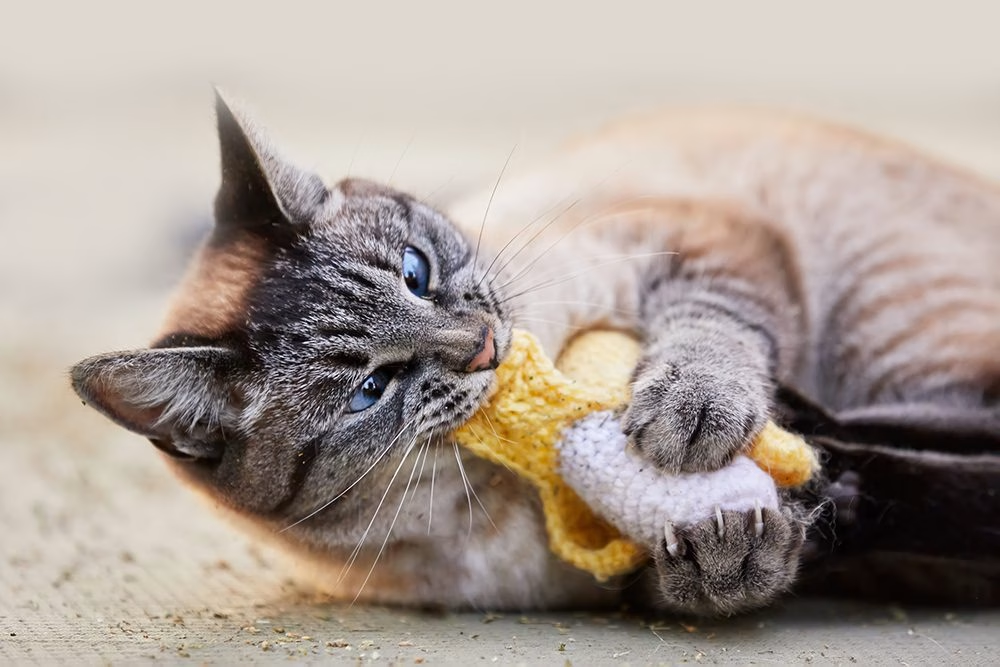

As a cat owner, you’re likely used to seeing your feline friend nibble on their regular meals, treats, or perhaps the occasional tasty plant (though we don’t recommend that!). However, when your cat starts to eat non-food items such as fabric, plastic, or even dirt, it could indicate a behavioral condition known as pica in cats. If you’ve noticed your cat munching on unusual objects, you might be wondering, “What does this mean?” In this guide, we’ll explore what pica in cats is, the potential causes, and how you can help your furry companion break this concerning habit.
What Is Pica in Cats?
Pica is a condition where an animal, in this case, a cat, compulsively eats non-food items. While it’s relatively common in some pets, it’s certainly not something to ignore. The items your cat may consume can range from harmless to potentially dangerous, depending on what they’ve ingested. Some common objects that cats with pica are known to eat include:
-
Fabric (socks, blankets, or clothing)
-
Plastic
-
Rubber bands
-
Paper
-
Yarn
-
Plants (including toxic ones)
Cats are typically curious and may explore the world with their mouths, but when they start eating non-food items regularly, it could be a sign of an underlying issue that needs attention.
What Causes Pica in Cats?
Understanding the root cause of pica in cats can be challenging, as it may result from a combination of behavioral, psychological, and physical factors. Let’s break down the most common causes:
-
Nutritional Deficiencies:
A lack of certain nutrients in your cat’s diet, such as fiber or specific vitamins and minerals, can lead them to seek out unusual sources of food. In some cases, your cat may eat non-food objects in an attempt to meet these nutritional gaps. -
Boredom and Lack of Stimulation:
Cats, especially those that live indoors and don’t have access to outdoor exploration, can become bored and may start eating non-food items to pass the time. Lack of stimulation can cause behavioral issues, including pica. Cats need mental and physical engagement, such as interactive toys, playtime, or opportunities for climbing and exploring. -
Stress and Anxiety:
Just like humans, cats can experience stress and anxiety, which may manifest in compulsive behaviors like eating non-food objects. Changes in their environment, such as moving to a new house, a new pet, or a change in the household routine, can trigger these behaviors. -
Medical Conditions:
Certain medical issues could also lead to pica in cats. For example, gastrointestinal issues, dental problems, or parasites can make your cat feel discomfort, prompting them to chew on random objects. Cats with conditions such as hyperthyroidism or diabetes may also develop unusual eating habits. -
Compulsive Behavior:
Pica can sometimes develop as a compulsive habit. This might be due to an ingrained behavior pattern where your cat has learned to eat non-food objects as a way to soothe or entertain themselves. Some breeds, particularly those with higher energy or anxious tendencies, may be more prone to developing compulsive behaviors. -
Genetics and Breed Disposition:
Certain cat breeds are more prone to developing pica, including Siamese, Burmese, and Oriental breeds. This could be related to their higher levels of activity, curiosity, or sensitivity, leading them to chew or eat non-food items as part of their nature.
What Are the Risks of Pica in Cats?
While pica might seem like an odd behavior, it’s not something to dismiss. Eating non-food objects can be dangerous for your cat and may result in serious health issues, including:
-
Choking Hazards: Small objects, like rubber bands or string, can become lodged in your cat’s throat, posing a choking risk.
-
Intestinal Blockages: Swallowing objects like fabric, plastic, or string can cause an intestinal blockage. This condition often requires emergency surgery to remove the foreign object and can be life-threatening if not addressed quickly.
-
Toxicity: Some materials, like plants, plastic, or chemicals, can be toxic to cats, leading to poisoning.
-
Gastrointestinal Issues: Eating non-food items can cause vomiting, diarrhea, or even damage to the digestive tract, requiring veterinary intervention.
How to Manage Pica in Cats
If your cat has developed pica, it’s essential to address the behavior promptly to ensure their safety and well-being. Here are some tips on managing and preventing pica in cats:
-
Visit the Vet:
Before making any assumptions about the cause of pica, it’s important to rule out any medical conditions. Your veterinarian will perform a thorough examination, including blood work and possibly other diagnostic tests, to check for any underlying health issues that could be causing the behavior. -
Improve Your Cat’s Diet:
If your cat’s pica is related to nutritional deficiencies, you may need to change their diet to ensure they’re getting the right nutrients. A high-quality, well-balanced cat food is essential, and your vet may recommend specific supplements if deficiencies are identified. -
Increase Mental and Physical Stimulation:
Providing your cat with plenty of toys, puzzles, scratching posts, and climbing structures can help keep them entertained and prevent boredom. Consider introducing interactive playtime to engage their mind and body. Puzzle feeders and treat-dispensing toys can also encourage problem-solving. -
Reduce Stress:
If your cat’s pica is linked to anxiety or stress, work on creating a calm and predictable environment. Make sure their routine is consistent, and try to minimize sudden changes in the household. You might also consider pheromone diffusers (like Feliway) or calming sprays to help reduce stress. -
Redirect Attention:
When you catch your cat in the act of chewing or eating non-food items, gently redirect their attention to a safe toy or treat. Positive reinforcement, such as offering a reward when they focus on their toys, can help encourage appropriate behaviors. -
Use Safe, Chewable Items:
If your cat seems to enjoy chewing on certain materials, consider offering them chew toys specifically designed for cats. These toys are often made from safe, durable materials and can provide a healthier outlet for their chewing needs.
When to Seek Professional Help
If your cat’s pica continues despite your efforts to address it or if they have ingested something dangerous, it’s important to seek professional help. Your vet can provide additional guidance, recommend behavior modification programs, or even refer you to a feline behaviorist if necessary. In extreme cases, surgery may be required if your cat has ingested a dangerous object.
Pica in cats can be a perplexing and concerning behavior, but with the right approach, it’s possible to manage and even correct. Understanding the causes behind pica is the first step in providing the proper care for your cat. By ensuring that your feline friend has a balanced diet, ample stimulation, and a stress-free environment, you can help them break free from this habit and keep them healthy and happy. Always consult your veterinarian if you’re concerned about your cat’s behavior or health, as they can help guide you toward the best solution for your cat’s well-being.
If you’re also a dog parent or just curious about how pica manifests in dogs, be sure to check out our related post: Pica in Dogs: What It Is and How to Stop It for Good! — a comprehensive guide on managing this condition in canines.