

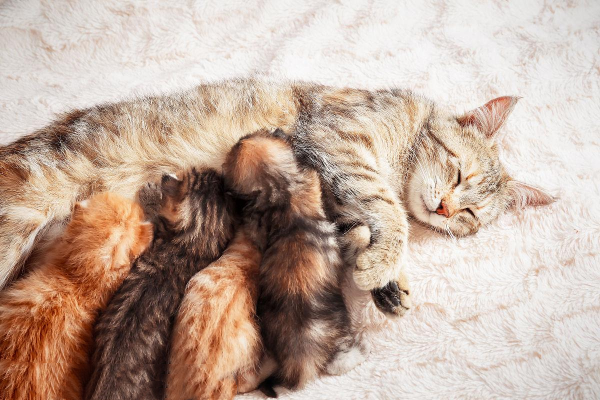

Kitten multiple fathers—is it really possible? When you see a litter of kittens with different colors, sizes, and personalities, it’s only natural to wonder if they could each have a different dad. While it may sound like a strange myth, the truth might surprise you.
In this article, we’re busting feline reproduction myths and uncovering the shocking truth behind kitten multiple fathers. Whether you’re a seasoned cat owner, a new pet parent, or just curious about how cats reproduce, this myth-buster will give you the full picture.
Can Kittens Have Multiple Fathers?
Yes—kittens from the same litter can indeed have different fathers. This phenomenon is called superfecundation, and it’s not just a quirky possibility—it’s actually quite common in the feline world.

What is Superfecundation?
Superfecundation is the scientific term for when two or more eggs are fertilized by sperm from different males during the same heat cycle. This can only happen in species that release multiple eggs during ovulation—cats being one of them.
Here’s how it works:
-
A female cat in heat can mate with several males over the course of a few days.
-
Since she releases multiple eggs, each mating can result in a different egg being fertilized by a different male’s sperm.
-
The fertilized eggs implant and develop together, resulting in a litter of kittens with mixed paternity.
So yes, the “kitten multiple fathers” theory isn’t just possible—it’s real science in action.
Why Does This Happen in Cats?
Cats are induced ovulators. That means they don’t ovulate (release eggs) until after mating begins. Every time a female cat mates, she’s stimulated to release more eggs, increasing the chances of multiple pregnancies.
If she mates with several males during her heat cycle, the sperm from each one may fertilize a different egg—leading to kittens with different dads all in one litter.
This biological strategy increases the chances of reproductive success. From an evolutionary standpoint, it ensures genetic diversity in the offspring, which can make the kittens healthier and more adaptable.

How Common Is It for Kittens to Have Multiple Fathers?
You might be surprised to learn that it’s more common than you’d think, especially in stray or outdoor cats.
In multi-tomcat environments, female cats will often mate with multiple males within a short period. Studies and DNA tests have shown that many mixed-litter kittens (those who look nothing alike) often have different fathers.
Even in domestic environments, if a female cat escapes while in heat, she may encounter multiple suitors in a single day. Unless she’s spayed or strictly indoors, the chances of superfecundation are high.
Signs That Kittens Might Have Multiple Fathers
While a DNA test is the only way to know for sure, there are a few visual and behavioral clues that may suggest multiple fathers:
-
Variety of coat colors and patterns: If one kitten is a tabby, another is all black, and one is white with spots, multiple sires might be involved.
-
Differences in size or body type: Larger and smaller kittens in the same litter could point to different genetic backgrounds.
-
Personality variations: While environment plays a role in kitten behavior, genetics also influence temperament.
However, it’s important to remember that even with a single father, a litter can still be genetically diverse due to the variation in the parents’ genes.
Is It Dangerous or Unhealthy for Kittens?
No, having multiple fathers doesn’t pose any health risk to the kittens. Superfecundation is a natural reproductive process in cats. As long as the mother cat is healthy and cared for during her pregnancy, the kittens will develop normally, regardless of paternity.
Why This Matters to Cat Owners and Breeders
For breeders, understanding this concept is critical. If a queen (female cat) mates with more than one tomcat (male cat) during her heat cycle, the pedigree of the kittens may be compromised. That’s why breeders usually isolate the queen during breeding to ensure controlled mating.
For pet owners, this information can be equally important. If you’re planning to allow your cat to breed or you have a female in heat, be aware that even one unsupervised outing can lead to a multi-fathered litter.
How to Prevent Unplanned Pregnancies
If you don’t want to deal with unexpected litters or kitten multiple fathers, the best prevention is spaying and neutering your cats.
-
Spay your female cat before her first heat (usually around 5–6 months).
-
Neuter your male cat to reduce roaming and mating behaviors.
Spaying and neutering not only prevent overpopulation but also protect your cats from health risks and behavior issues.
Myth Busted: The Truth About Kitten Multiple Fathers
So, let’s put this one to rest:
The myth that kittens can’t have more than one father is officially busted.
Thanks to a biological phenomenon called superfecundation, a litter of kittens can indeed have multiple dads. It’s a fascinating glimpse into feline reproductive biology and a reminder of how complex and clever nature truly is.
The next time you see a litter of kittens that look wildly different, you might just be looking at the result of kitten multiple fathers. While it may sound unusual, it’s completely natural and quite common among cats.
Understanding how cats reproduce helps us be better pet owners—whether we’re raising indoor companions, rescuing strays, or managing feral cat populations. So the next time someone says, “Wait—can kittens have different dads?” you’ll know the surprising (and scientific) truth.