


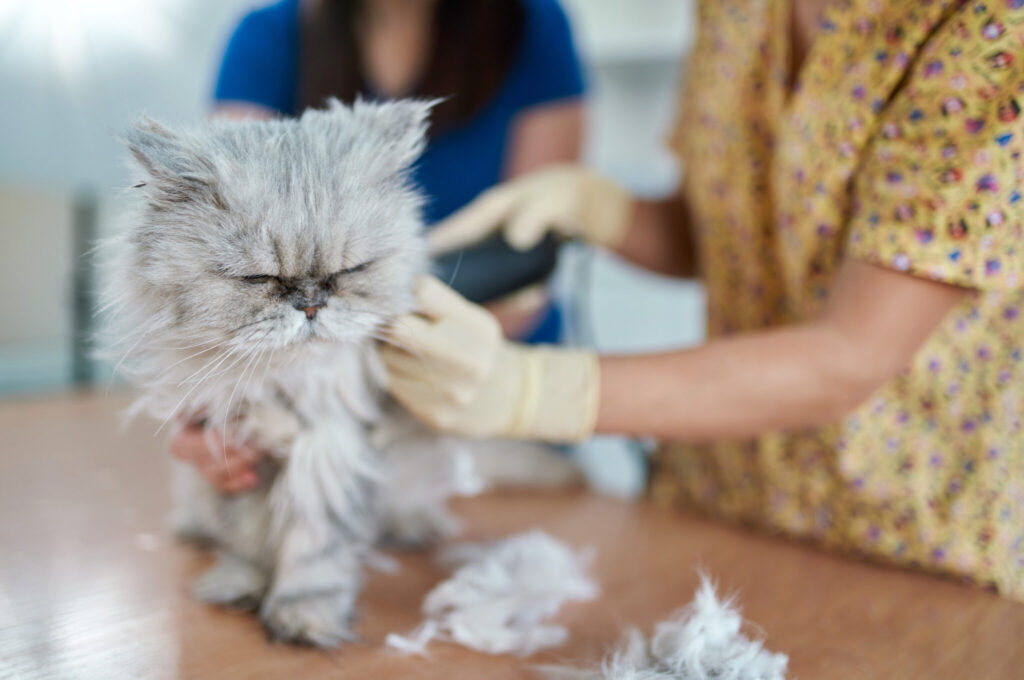


Is your cat experiencing Cat Hair Loss? This condition, medically referred to as alopecia, can be concerning for many pet owners. While it may seem like just a cosmetic issue, Cat Hair Loss often points to an underlying health concern that needs attention. Alopecia is not a disease on its own but rather a symptom triggered by various factors ranging from mild to more serious.
One of the most common causes of Cat Hair Loss is external parasites such as fleas or mites. These pests irritate your cat’s skin, leading to excessive scratching, licking, or biting, which in turn results in patchy fur loss. Allergies, whether to food, environmental triggers, or even grooming products, can also contribute to bald spots or thinning hair. In some cases, stress and anxiety play a role, causing cats to overgroom themselves as a coping mechanism.
Medical conditions such as hormonal imbalances, fungal infections like ringworm, or immune system disorders can further complicate Cat Hair Loss. Because the causes are so varied, it’s important to consult a veterinarian for a proper diagnosis. With timely care, treatment may include parasite control, dietary adjustments, medication, or lifestyle changes. Addressing the root issue ensures your cat stays comfortable, healthy, and happy.
What Causes Hair Loss in Cats?
Hair loss in cats can result from fungal and parasitic infections like ringworm, mites, or flea allergies. Food allergies and metabolic conditions such as hyperthyroidism can also be culprits. Additionally, stress-induced licking due to urinary tract issues or anxiety can lead to hair loss.
Questions to Consider:
- Does your cat groom excessively?
- Is your cat frequently scratching or itching?
- How does your cat interact with other cats in the household?
- Have there been recent changes in your home environment?
Understanding Excessive Grooming:
If your cat seems otherwise healthy, over-grooming might be a response to stress, known as displacement grooming. This behavior aims to reduce stress levels and can become compulsive over time, leading to psychogenic alopecia, characterized by bald patches. Common areas of hair loss include the inner forelimbs, abdomen, groin, tail, and lower back.
Treatment Options:
Start with a visit to your veterinarian for a thorough examination, including blood work, thyroid function tests, and a urinalysis to rule out any underlying medical conditions. Studies show that in cases of psychogenic alopecia, medical causes were identified in a majority of cases, emphasizing the importance of a comprehensive evaluation.
Reducing Stress:
If medical causes are ruled out, focus on reducing stress for your cat:
- Provide elevated perches and climbing posts for observation and relaxation.
- Offer cardboard boxes and paper bags for privacy and exploration.
- Engage in interactive play with toys to stimulate natural behaviors.
- Consider using a Feliway diffuser to create a calming environment.
Supplements and Medications:
If stress reduction alone isn’t sufficient, incorporating additional support such as anti-anxiety supplements or calming food may provide relief for your cat. Many pet owners find that specialized products can make a big difference in reducing anxiety-related behaviors that contribute to Cat Hair Loss. Brands like Anxitane, Composure, Royal Canin, or Science Diet offer well-formulated options designed to soothe nervous cats and promote a sense of calm. These products are typically easy to administer and can be a valuable tool in your overall management plan for Cat Hair Loss.
However, in more severe cases where supplements and diet adjustments aren’t enough, it’s important to consult your veterinarian. Prescription anti-anxiety medications, such as Fluoxetine or Paroxetine, may be recommended for cats with persistent or intense anxiety that leads to ongoing Cat Hair Loss or other health concerns. Your vet will carefully assess your cat’s condition and determine the safest and most effective treatment approach to minimize Cat Hair Loss.
Dealing with Cat Hair Loss can feel overwhelming, but with patience, consistency, and the right resources, you can greatly improve your pet’s comfort. Keep communication open with your vet, monitor your cat’s progress closely, and don’t hesitate to explore multiple strategies. With time, you’ll find the right combination that supports your furry friend’s overall well-being.