

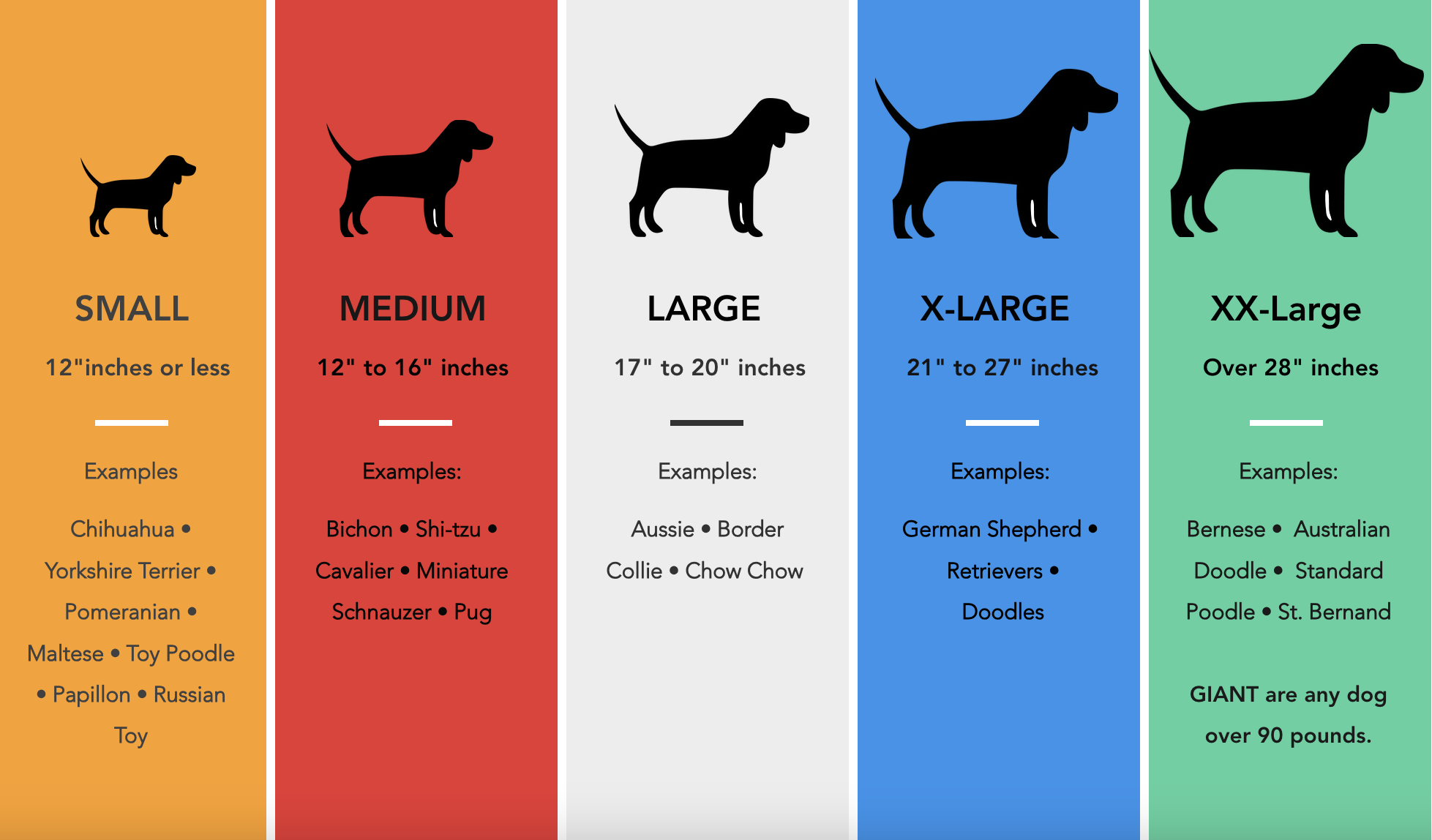

When it comes to our beloved canine companions, ensuring they have the right fit for their accessories and clothing is crucial for their comfort, safety, and overall well-being. Whether you’re shopping for a new harness, raincoat, sweater, or even a cozy bed, knowing your dog’s correct size can make a world of difference. A properly fitted harness, for instance, prevents injuries and provides better control during walks, while a well-sized coat ensures your pup stays warm during chilly days without restricting their movement. Referring to a dog breed size chart is a great starting point to determine the appropriate fit.
Because dogs come in a wide range of shapes and sizes—from tiny Chihuahuas to large Great Danes—there’s no one-size-fits-all solution. This is why understanding your dog’s specific measurements, such as chest girth, neck circumference, and body length, is essential when selecting any type of wearable gear. Even among the same breed, sizes can vary, so measuring your dog accurately is always a smart step before making a purchase. A reliable Dog Breed Size Chart can help guide you through this process and minimize sizing mistakes.
In this post, we’ll provide a helpful, easy-to-follow dog breed size chart tailored to different dog breeds and sizes. Our goal is to make it easier for you to find the perfect fit, ensuring your furry friend stays comfortable, protected, and happy—no matter the season or activity. Keep in mind that referencing a Dog Breed Size Chart can save you time and prevent returns or exchanges due to improper sizing. So before you click “add to cart,” be sure to check the Dog Breed Size Chart to make the best choice for your pet.
WHY SIZE MATTERS
A proper fit is more than just aesthetics; it’s about your dog’s safety and comfort. Ill-fitting harnesses or collars can cause chafing, restrict movement, or even lead to injury. Conversely, too-loose apparel might slip off or cause your dog to trip. That’s why understanding your dog’s size and the variation among different breeds is so important. A dog breed size chart can help you quickly identify the right fit based on breed averages. Using a Dog Breed Size Chart ensures you make informed decisions for your dog’s comfort and well-being.
MEASURING YOUR DOG
Before diving into breed-specific sizes, it’s essential to know how to measure your dog correctly. Here’s a quick guide:
- Weight: Weigh your dog using a pet scale or by weighing yourself first and then weighing yourself while holding your dog and subtracting the first weight from the combined weight.
- Shoulder Height: Measure from the ground to the top of your dog’s shoulder blades.
- Neck Circumference: Measure around the base of the neck where the collar would sit.
- Back Length: Measure from the base of the neck to the base of the tail.
- Chest Circumference: Measure the widest part of your dog’s chest, just behind the front legs.
TIPS FOR ACCURATE MEASUREMENT
- Measure Twice: Always double-check your measurements to ensure accuracy.
- Allow for Growth: If your dog is a puppy, consider their growth rate and choose adjustable options.
- Check Manufacturer Guidelines: Different brands may have slightly different size charts. Always refer to the specific sizing guide provided by the manufacturer.
- Consider Coat Thickness: For breeds with thick fur, you might need to add a little extra to the measurements to ensure a comfortable fit.
SIZE CHART FOR POPULAR DOG BREEDS

SMALL BREEDS
| DOG BREEDS | WEIGHT | SHOULDER HEIGHT | NECK CIRCUMFERENCE | BACK LENGTH | CHEST CIRCUMFERENCE |
|---|---|---|---|---|---|
| Cairn Terrier | 6 – 7.5 kg | 26 – 31 cm | 37 – 42 cm | 40 – 42 cm | 40 – 45 cm |
| Chihuahua | 1 – 3 kg | 22 cm | 25 – 32 cm | 20 – 30 cm | 30 – 35 cm |
| French bulldog | 8 – 14 kg | 24 – 35 cm | 30 – 40 cm | 30 – 45 cm | 50 – 60 cm |
| German Spitz Klein | 2.5 – 5 kg | 23 – 28 cm | 35 – 40 cm | 30 – 35 cm | 45 – 50 cm |
| Havanese | 4 – 7 kg | 21 – 29 cm | 20 – 25 cm | 20 – 25 cm | 30 – 40 cm |
| Lhasa Apso | 5 – 7 kg | 24 – 28 cm | 34 – 45 cm | 35 – 42 cm | 30 – 45 cm |
| Maltese | 3 – 4 kg | 20 – 25 cm | 30 – 35 cm | 30 – 28 cm | 35 – 40 cm |
| Miniature Pinscher | 5 – 8 kg | 28 – 35 cm | 25 – 33 cm | 32 – 40 cm | 38 – 48 cm |
| Papillon | 1.4 – 4 kg | 20 – 28 cm | 15 – 23 cm | 20 – 28 cm | 25 – 38 cm |
| Pekinese | 3.5 – 6 kg | 15 – 25 cm | 30 – 35 cm | 35 – 40 cm | 40 – 45 cm |
| Pomeranian | 3 kg | 22 – 26 cm | 25 – 35 cm | 32 – 38 cm | 40 – 45 cm |
| Russian Toy | 1.5 – 3 kg | 20 – 28 cm | 18 – 26 cm | 20 – 28 cm | 25 – 35 cm |
| Scottish Terrier | 8.5 – 10.5 kg | 25 – 28 cm | 35 – 45 cm | 40 – 45 cm | 65 – 70 cm |
| Standard Dachshund | 7 – 15 kg | 20 – 23 cm | 28 – 36 cm | 30 – 36 cm | 38 – 51 cm |
| Toy poodle | 4 – 6 kg | 28 – 35 cm | 25 – 35 cm | 32 – 38 cm | 25 – 36 cm |
| West Highland White Terrier | 7 – 9 kg | 25 – 28 cm | 25 – 36 cm | 25 – 30 cm | 36 – 46 cm |
| Yorkshire Terrier | 1.8 – 3.2 kg | 15 – 23 cm | 15 – 23 cm | 20 – 25 cm | 30 – 38 cm |
MEDIUM BREEDS
| DOG BREEDS | WEIGHT | SHOULDER HEIGHT | NECK CIRCUMFERENCE | BACK LENGTH | CHEST CIRCUMFERENCE |
|---|---|---|---|---|---|
| Basset | 18 – 30 kg | 28 – 38 cm | 42 – 50 cm | 60 – 75 cm | 60 – 65 cm |
| Beagle | 10 – 18 kg | 33 – 41 cm | 40 – 45 cm | 42 – 48 cm | 45 – 50 cm |
| Bichon | 4.5 – 8 kg | 23 – 30 cm | 23 – 30 cm | 25 – 30 cm | 30 – 38 cm |
| Cavalier King Charles Spaniel | 6 – 8 kg | 30 – 33 cm | 25 – 30 cm | 30 – 33 cm | 30 – 45 cm |
| Cocker spaniel | 13 – 14.5 kg | 38 – 41 cm | 40 – 45 cm | 42 – 47 cm | 50 – 55 cm |
| Foxterrier | 7 – 9 kg | 33 – 41 cm | 25 – 36 cm | 36 – 41 cm | 41 – 51 cm |
| German hunting terrier | 7.5 – 10 kg | 33 – 40 cm | 40 – 45 cm | 45 – 48 cm | 45 – 50 cm |
| Jack Russell Terrier | 5 – 8 kg | 25 – 38 cm | 25 – 35 cm | 30 – 40 cm | 45 – 50 cm |
| Miniature Schnauzer | 5 – 8 kg | 28 – 35 cm | 25 – 33 cm | 25 – 30 cm | 35 – 40 cm |
| Parson Russel Terrier | 6 – 8 kg | 30 – 40 cm | 28 – 35 cm | 27 – 31 cm | 40 – 50 cm |
| Pug | 6 – 9 kg | 25 – 30 cm | 36 – 44 cm | 28 – 35 cm | 50 – 60 cm |
| Sheltie (Shetland Sheepdog) | 7 – 8 kg | 30.5 – 37 cm | 40 – 45 cm | 42 – 48 cm | 46 – 61 cm |
| Shih Tzu | 5 – 8 kg | 25 – 27 cm | 30 – 42 cm | 25 – 45 cm | 40 – 45 cm |
| Small Poodle | 4.5 – 6.8 kg | 25 – 38 cm | 20 – 30 cm | 25 – 38 cm | 30 – 46 cm |
| Staffordshire Bullterrier | 11 – 17 kg | 30 – 40 cm | 45 – 60 cm | 42 – 48 cm | 42 – 50 cm |
LARGE BREEDS
| DOG BREEDS | WEIGHT | SHOULDER HEIGHT | NECK CIRCUMFERENCE | BACK LENGTH | CHEST CIRCUMFERENCE |
|---|---|---|---|---|---|
| American Staffordshire Terrier | 15 – 17 kg | 43 – 48 cm | 50 – 60 cm | 40 – 45 cm | 50 – 55 cm |
| Aussie | 18 – 19 kg | 46 – 58 kg | 41 – 56 cm | 46 – 58 cm | 56 – 74 cm |
| Border Collie | 20 – 28 kg | 51 – 56 cm | 42 – 48 cm | 50 – 55 cm | 60 – 65 cm |
| Chow-Chow | 21 -27 kg | 45 – 50 cm | 50 – 65 cm | 45 – 50 cm | 75 – 85 cm |
| Keeshond | 18 – 28 kg | 45 – 55 cm | 45 – 55 cm | 45 – 50 cm | 75 – 85 cm |
| Medium Poodle | 12 – 18 kg | 38 – 45 cm | 30 – 40 cm | 30 – 45 cm | 45 – 60 cm |
| Small Münsterländer | 20 – 25 kg | 50 – 60 cm | 45 – 50 cm | 45 – 55 cm | 50 – 55 cm |
| Standard Schnauzers | 15 – 17 kg | 45 – 50 cm | 40 – 45 cm | 45 – 50 cm | 65 – 70 cm |
| Whippet | 10 -15 kg | 44.5 – 47 cm | 40 – 45 cm | 40 – 45 cm | 55 – 60 cm |
X-LARGE BREEDS
| DOG BREEDS | WEIGHT | SHOULDER HEIGHT | NECK CIRCUMFERENCE | BACK LENGTH | CHEST CIRCUMFERENCE |
|---|---|---|---|---|---|
| Afghan hound | 23 – 27 kg | 63 – 74 cm | 40 – 52 cm | 60 – 65 cm | 75 – 85 cm |
| Airedale Terrier | 20 – 25 kg | 56 – 61 cm | 48 – 55 cm | 48 – 55 cm | 85 – 95 cm |
| Australian Shepherd | 16 – 32 kg | 46 – 58 cm | 37 – 47 cm | 50 – 60 cm | 70 – 75 cm |
| Bearded Collie | 20 – 28 kg | 51 – 56 cm | 42 – 48 cm | 50 – 55 cm | 60 – 65 cm |
| Bobtail | 30 – 35 kg | 55 – 65 cm | 50 – 65 cm | 55 – 70 cm | 60 – 90 cm |
| Boxer | 25 – 30 kg | 53 – 63 cm | 45 – 55 cm | 50 – 60 cm | 85 – 95 cm |
| Bull terrier | 20 – 30 kg | 40 – 55 cm | 50 – 55 cm | 55 – 65 cm | 60 – 65 cm |
| Dalmatian | 23 – 33 kg | 50 – 64 cm | 40 – 50 cm | 65 – 75 cm | 65 – 85 cm |
| German shepherd dog | 32 – 38 kg | 55 – 65 cm | 50 – 70 cm | 65 – 75 cm | 90 – 105 cm |
| Doberman pinscher | 30 – 42 kg | 63 – 70 cm | 44 – 55 cm | 60 – 70 cm | 85 – 95 cm |
| German long hair | 30 kg | 63 – 70 cm | 40 – 50 cm | 65 – 75 cm | 70 – 90 cm |
| German shepherd dog | 32 – 38 kg | 55 – 65 cm | 50 – 70 cm | 65 – 75 cm | 95 – 105 cm |
| Golden Retriever | 27 – 37 kg | 51 – 61 cm | 45 – 53 cm | 55 – 65 cm | 85 – 95 cm |
| Hovawart | 25 – 40 kg | 58 – 70 cm | 48 – 60 cm | 65 – 75 cm | 95 – 105 cm |
| Irish Red Setter | 25 – 30 kg | 61 – 68 cm | 40 – 45 cm | 65 – 75 cm | 75 – 85 cm |
| Labrador Retriever | 28 -35 kg | 54 – 57 cm | 50 – 55 cm | 55 – 60 cm | 85 – 95 cm |
| Rottweiler | 40 – 60 kg | 55 – 68 cm | 55 – 70 cm | 67 – 82 cm | 95 – 105 cm |
| Siberian Husky | 16 – 27 kg | 51 – 60 cm | 46 – 56 cm | 51 – 56 cm | 61 – 76 cm |
XX – LARGE BREEDS
| DOG BREEDS | WEIGHT | SHOULDER HEIGHT | NECK CIRCUMFERENCE | BACK LENGTH | CHEST CIRCUMFERENCE |
|---|---|---|---|---|---|
| Australian Doodle | 13 -20 kg | 43 – 56 cm | 30 – 46 cm | 41 – 56 cm | 51 – 71 cm |
| Bernese | 36 – 52 kg | 58 – 69 kg | 46 – 61 cm | 64 – 76 cm | 76 – 102 cm |
| Great Dane | 50 – 80 kg | 71 – 86 cm | 45 – 61 cm | 71 – 86 cm | 89 – 114 cm |
| Greyhound | 27 – 32 kg | 68 – 76 cm | 33 – 46 cm | 71 – 76 cm | 71- 76 cm |
| Irish Wolfhound | 40.5 – 54 kg | 71 – 85 cm | 55 – 65 cm | 40 – 85 cm | 105 – 115 cm |
| Leonberger | 50 – 70 kg | 65 – 80 cm | 55 – 65 cm | 70 – 85 cm | 105 – 115 cm |
| Mastiff | 75 – 100 kg | 80 cm | 65 – 80 cm | 70 – 85 cm | 95 – 105 cm |
| Newfoundland | 50 – 65 kg | 62 – 75 cm | 55 – 65 cm | 65 – 75 cm | 105 – 115 cm |
| Saint Bernards | 54 – 82 kg | 64 – 76 cm | 56 – 76 cm | 71 – 89 cm | 89 -114 cm |
| Standard Poodle | 20 -32 kg | 45 -60 cm | 36 -51 cm | 46 – 56 cm | 61 – 76 cm |
UNDERSTANDING BREED-SPECIFIC NEEDS
While size charts are a helpful starting point, it’s also important to consider the unique needs of each breed:
- Coat Thickness: Breeds with thicker coats, such as Huskies or Newfoundlands, may need slightly larger sizes to accommodate their fur.
- Activity Level: Active breeds like Border Collies or German Shepherds thrive with durable, adjustable gear.
- Age and Growth: Puppies will grow quickly, so consider adjustable options or be prepared to purchase new items as they grow.
- Health Conditions: Certain breeds, like larger ones prone to hip dysplasia, may require specialized harnesses or beds.
ADDITIONAL TIPS FOR CHOOSING THE RIGHT FIT
- Read Reviews: Customer reviews can provide insight into how products fit dogs similar to yours.
- Consult Your Vet: If you’re unsure about the best fit or type of gear for your dog, consult your veterinarian for personalized advice.
- Try Before You Buy: If possible, take your dog to the pet store to try on items before purchasing.
- Regular Checks: As your dog ages, their body shape might change. Regularly check their measurements and adjust their gear accordingly.
Finding the right size for your dog’s accessories and clothing doesn’t have to be a daunting task. With this comprehensive Dog Breed Size Chart for different dog breeds, you’re well-equipped to ensure your furry friend’s comfort and safety. The dog breed size chart makes it easy to choose the perfect fit. Remember, a well-fitted accessory not only looks good but also contributes to your dog’s overall well-being. Happy shopping!