

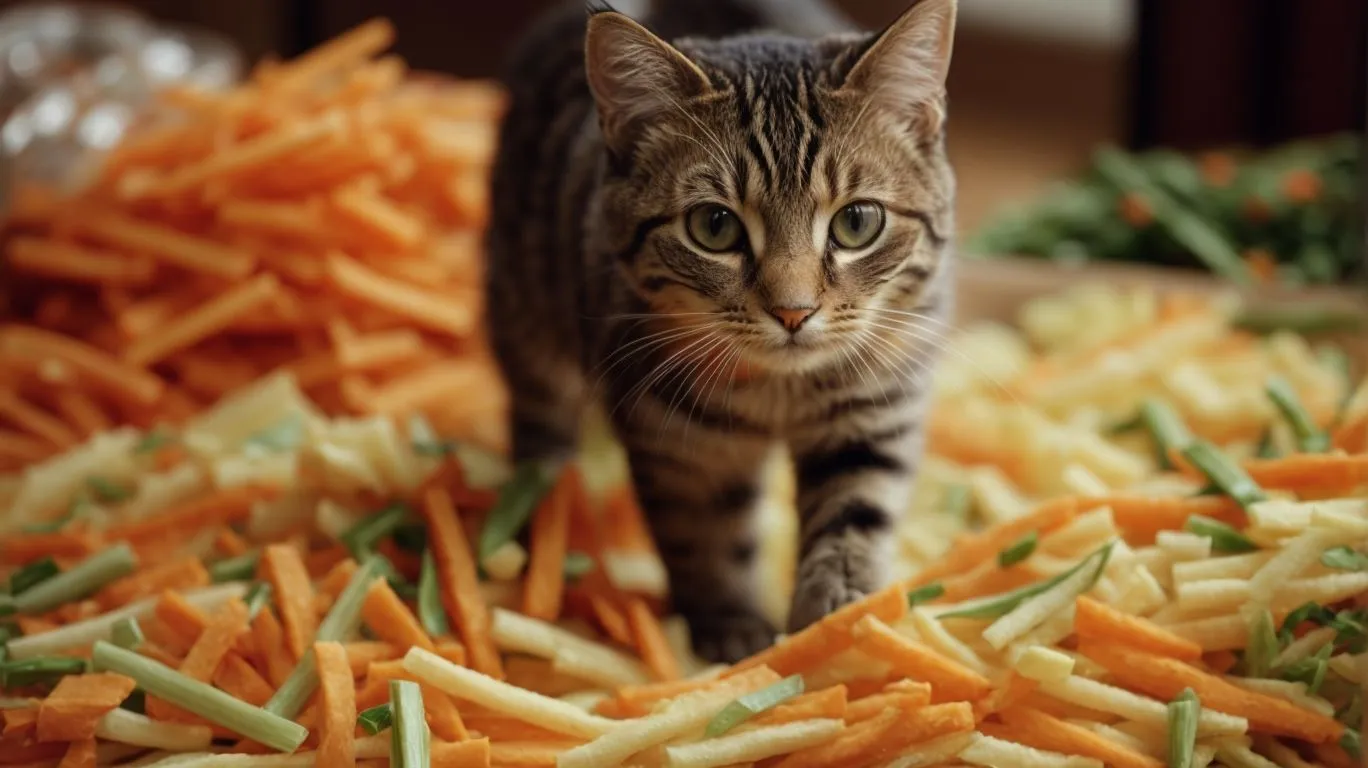

Cats are curious creatures, and as pet owners, we often find ourselves wondering what foods are safe for our feline friends. One common question is, “Can Cats Eat Veggie Straws?” These colorful, crunchy snacks may seem harmless, especially since they’re made from vegetables like potatoes, spinach, and tomatoes. However, just because something is plant-based doesn’t necessarily mean it’s healthy or safe for cats. Can Cats Eat Veggie Straws is a valid concern for anyone who shares snacks with their pet.
Veggie straws are highly processed and often contain added salt, oils, and artificial flavors—ingredients that aren’t suitable for a cat’s digestive system. While a small nibble might not cause immediate harm, regular consumption or larger amounts could lead to gastrointestinal upset, excessive sodium intake, or even more serious health issues over time. Can Cats Eat Veggie Straws is a question that highlights the importance of understanding your cat’s dietary needs. Cats are obligate carnivores, which means their bodies are designed to thrive on a meat-based diet. Unlike humans, they don’t require vegetables or plant-based snacks in their diet.
If your cat happens to sneak a bite of a veggie straw, there’s likely no cause for alarm, but it’s best to keep such treats out of reach. Instead, offer cat-friendly snacks made specifically for feline nutrition. Can Cats Eat Veggie Straws? The answer is best given with caution. Always consult your veterinarian before introducing any new foods to your cat’s diet, even seemingly harmless ones like veggie straws. In short, while the question “Can Cats Eat Veggie Straws” comes up often, the safest approach is to stick to treats formulated with your cat’s health in mind.
The Crunch Factor: Cats and Snacks
Cats are natural hunters, and their sharp teeth are designed for tearing meat. However, many cats also enjoy the texture of crunchy foods. This enjoyment is one reason why they might show interest in your veggie straws. The crunchiness can mimic the texture of prey, making it an appealing snack. But, before you start sharing, it’s essential to understand if it’s safe.
Can Cats Eat Veggie Straws? A Look at the Ingredients That Matter
Veggie straws are typically made from potato starch, vegetable oils, and various seasonings. They might also contain powdered forms of vegetables like spinach, tomato, and beet. While these ingredients are safe for human consumption, they can be problematic for cats. For instance, vegetable oils and seasonings can upset a cat’s stomach. Additionally, cats lack the digestive enzymes to break down many plant-based foods efficiently.
Nutritional Needs: What Do Cats Require?
Cats are obligate carnivores, meaning their diet must consist primarily of meat. Their bodies are designed to extract nutrients from animal tissues. Essential nutrients like taurine, arachidonic acid, and vitamin A can only be obtained through meat. Veggie straws do not provide these vital nutrients, making them an unsuitable regular snack for cats. Offering veggie straws might fill your cat up, but it won’t meet their nutritional needs.
Potential Risks: Health Hazards of Veggie Straws
Feeding your cat veggie straws poses several risks. Firstly, the high salt content in many snack foods can lead to sodium ion poisoning. Symptoms of this include vomiting, diarrhea, lethargy, and even seizures. Secondly, veggie straws are often fried, adding unnecessary fats to your cat’s diet, potentially leading to obesity or pancreatitis. Lastly, some veggie straws might contain garlic or onion powder, both of which are toxic to cats.
Better Alternatives: Safe Snacks for Cats
Instead of veggie straws, consider offering your cat snacks specifically designed for them. Commercially available cat treats are formulated to be nutritionally appropriate and safe. If you prefer homemade options, small pieces of cooked chicken or fish can be a great choice. Additionally, some cats enjoy catnip or cat grass, which are safe and beneficial for their digestion.
The Occasional Treat: Can Veggie Straws Ever Be Okay?
While it’s best to avoid giving your cat veggie straw, an occasional nibble likely won’t cause significant harm. If your cat manages to snag a piece, monitor them for any adverse reactions, such as vomiting or diarrhea. However, it’s crucial to remember that moderation is key. Frequent feeding of inappropriate foods can lead to long-term health issues.
Understanding Your Cat’s Diet: Consulting a Vet
When you’re uncertain about your cat’s diet, the best and most responsible action is to consult with your veterinarian. Can Cats Eat Veggie Straws? This is a common question among pet owners, and it highlights the importance of seeking expert advice. Cats have unique nutritional needs that vary depending on their age, breed, weight, medical history, and lifestyle. What works well for one cat may not be suitable for another, which is why professional guidance is essential.
Can Cats Eat Veggie Straws isn’t just a casual question—it reflects the growing curiosity about human snacks and their safety for pets. Your veterinarian can evaluate your cat’s overall health and help you choose a balanced diet that supports their specific requirements—whether they need to lose weight, manage a medical condition like kidney disease or diabetes, or simply maintain their current good health.
In addition to recommending high-quality cat food, your vet can also guide you in selecting appropriate treats and feeding routines. They can help you understand food labels, portion sizes, and ingredients to avoid, especially if your cat has allergies or sensitivities. For instance, you might wonder, Can Cats Eat Veggie Straws, but your vet can explain whether such snacks are harmful, harmless, or just nutritionally void.
If your cat has eaten something questionable or is showing signs of gastrointestinal distress—such as vomiting, diarrhea, or a sudden change in appetite—your vet can assess the situation and suggest the best course of action to minimize any health risks. Can Cats Eat Veggie Straws may seem like a simple inquiry, but it underscores the need for tailored advice.
Ultimately, maintaining open communication with your vet ensures that your cat receives the nutrition they need to thrive. It’s an essential part of responsible and loving pet ownership. If you’re ever in doubt—Can Cats Eat Veggie Straws, for example—remember that your veterinarian is the best source of trustworthy information.
Conclusion: Keep Veggie Straws for Yourself
In conclusion, while cats might be curious about veggie straw, these snacks are not suitable for them. The potential health risks far outweigh the brief enjoyment they might get from a crunchy treat. It’s always best to stick to foods specifically designed for feline consumption to ensure your cat stays healthy and happy. So, next time you’re snacking on veggie straw, keep them to yourself and offer your cat a safer, healthier alternative.